Multilingual AI audio guide exhibit on WOUDiO (PWA). WOUDiO pioneered the world’s first audio guide platform with built-in donation: listeners can support the cultural venue without leaving the listening experience. The text below is the localized description, details, and narration script for this audio guide stop.
Filter coffee arrives with a head of froth, poured from a steel tumbler into its little steel bowl and back again, the stream stretched long in the air to cool it. The smell reaches the street before the cup is set down: roasted, milky, a little bitter.
The story of that bean begins on a hilltop to the west. It is said that in the seventeenth century a Sufi saint named Baba Budan came home from the pilgrimage to Mecca with seven coffee beans from the port of Mocha, hidden in his beard. He planted them in the Chandradrona hills of what is now Chikkamagaluru district, and those hills now carry his name. Whether or not the beard is true, the legend walks the coffee down from the hills and into the city's cups.
Cooks made the journey too. In 1924 Parampalli Yagnanarayana Maiya and his brothers, who had come from the Udupi coast, opened a small eatery on Lalbagh Road. It began as the Brahmin Coffee Club and later took the name Mavalli Tiffin Rooms: MTR. During the Second World War, the story goes, rice ran short, and the kitchen tried steaming idlis from semolina instead. The rava idli was born, or so the house tells it, out of scarcity. Decades later, during the Emergency of 1975, MTR closed its dining room and began packing its spices and ready mixes, sending its recipes out in boxes far beyond the city.
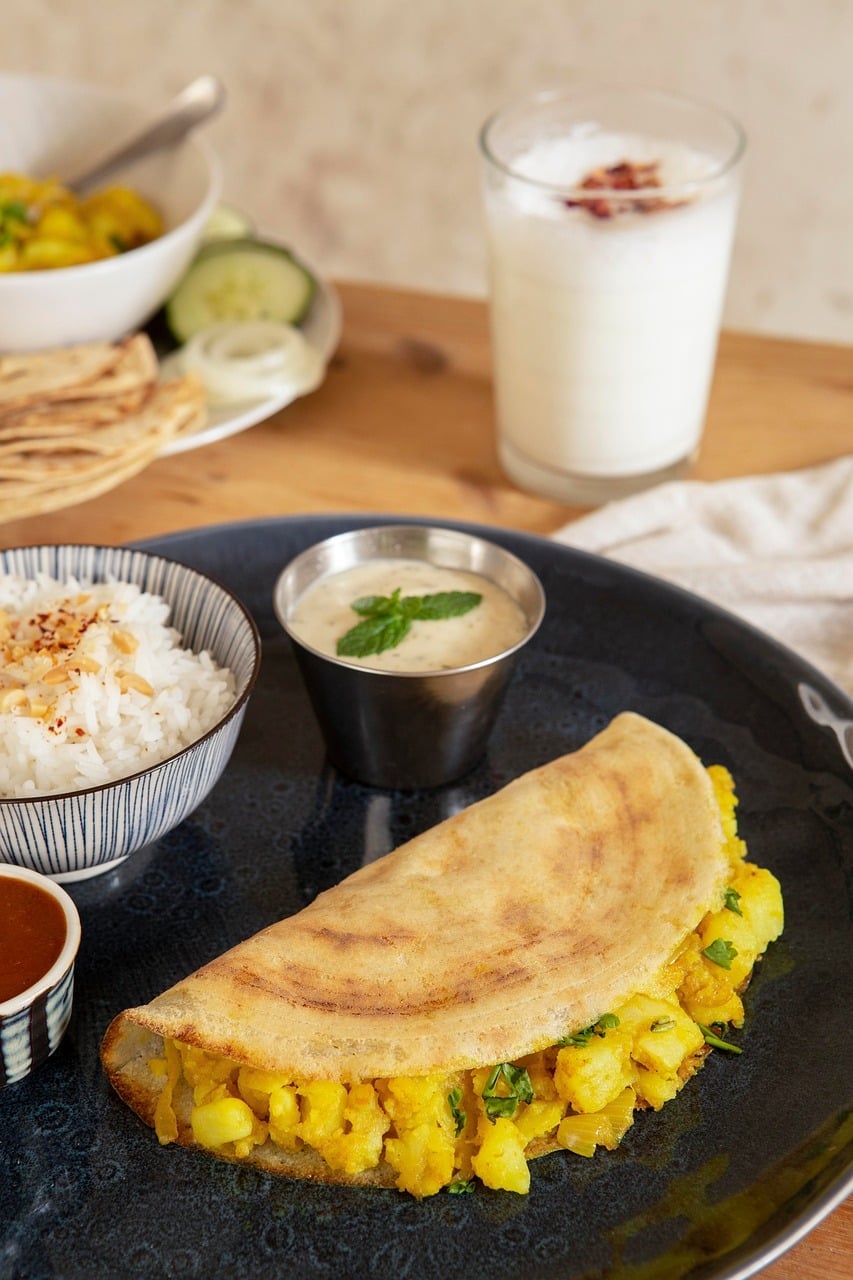
In 1943, in Gandhi Bazaar in Basavanagudi, Venkatarama Urala opened Vidyarthi Bhavan, "the students' house", to feed young people who had come from outside the city to study. Its masala dosa, crisp and deep gold, made the name famous far beyond the students it was meant for; since 1970 the Adiga family has kept the griddles hot.
Then the city sped up, and so did breakfast. In 1983 in Jayanagar, a place called Cafe Darshini is usually named as the first of a new kind of canteen. Pay first, take a token, eat standing at a steel counter, and be back on the road in ten minutes. Clerks, drivers, students and engineers, all shoulder to shoulder over the same idli. Today there are thousands of darshinis across Bengaluru.
The steam from a darshini counter smells of coconut chutney and wet steel. Every plate carries a route: beans from the western hills, cooks from the Udupi coast, students from distant towns, and the long queue of newcomers who kept arriving on this plateau, bringing their own words for "breakfast", and trading them at the counter.
Site: MTR, Lalbagh Road; Vidyarthi Bhavan, Gandhi Bazaar, Basavanagudi
Founded: MTR 1924 (Maiya brothers from the Udupi region); Vidyarthi Bhavan 1943 (Venkatarama Urala)
Key facts: rava idli said to have been created at MTR during World War II; darshini self-service canteens, usually traced to Cafe Darshini, Jayanagar (1983); Baba Budan coffee story is a legend
Map:
Bengaluru map
Official Site:
Karnataka Tourism
Photo: kumarsu6745_ /
Pixabay (pixabay)