Multilingual AI audio guide exhibit on WOUDiO (PWA). WOUDiO pioneered the world’s first audio guide platform with built-in donation: listeners can support the cultural venue without leaving the listening experience. The text below is the localized description, details, and narration script for this audio guide stop.
A wind-up wristwatch makes a small, dry sound, a tick so light it disappears under traffic. For decades, a great many of those ticks on Indian wrists came from a factory on this plateau.
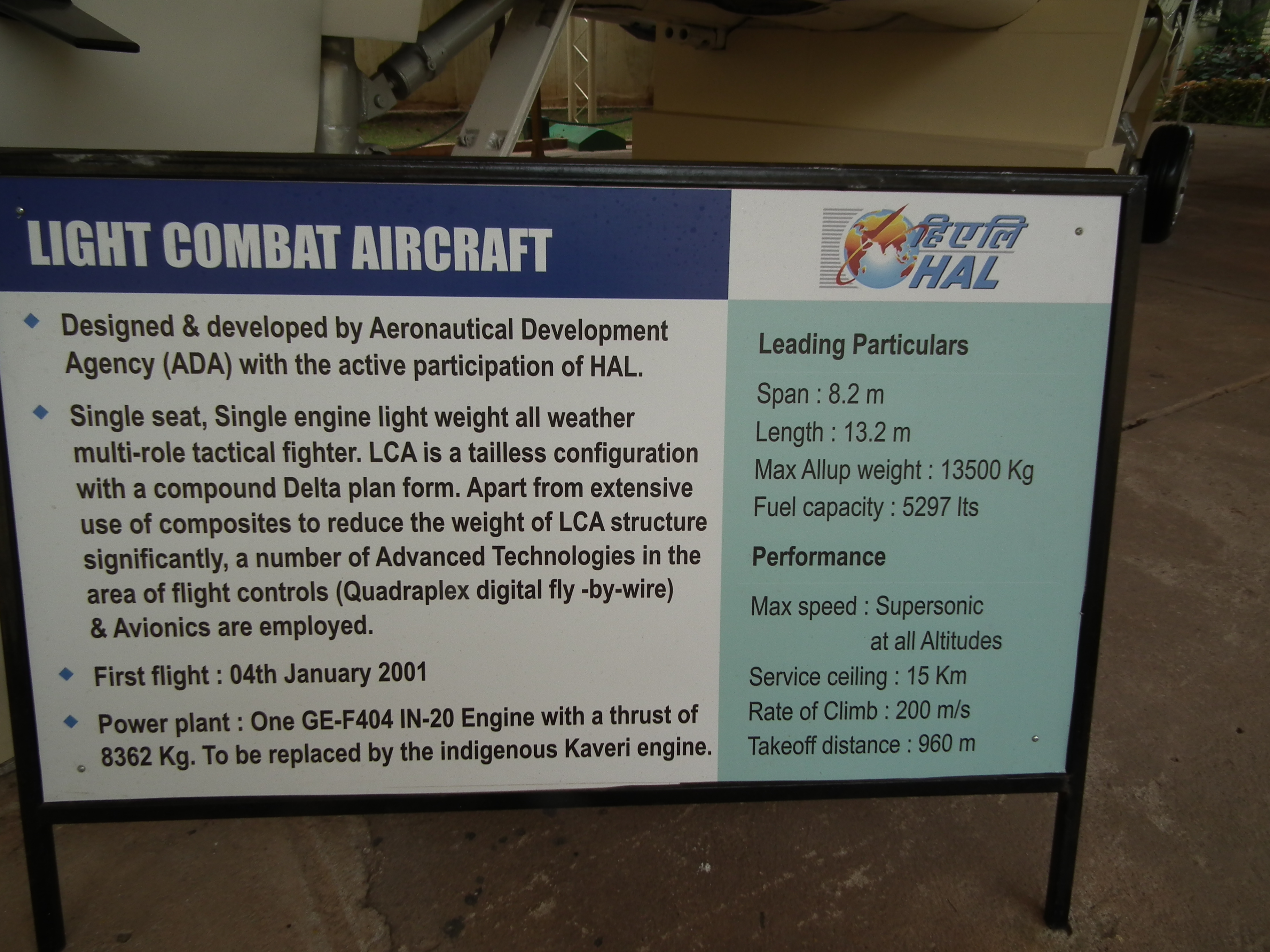
The factory age began with the war. In December 1940, with fighting spreading across the world, the industrialist Walchand Hirachand founded Hindustan Aircraft in Bangalore, together with the Maharaja of Mysore. The cornerstone went into the red earth a month later. By 1942 aircraft were being built in Bangalore under licence from American designs, and the drone of test engines rolled low across the fields east of the old town.
That airfield kept its voice long after the war. From 1946 it served as the city's civil airport, and for more than sixty years travellers came and went over the eastern suburbs, until one night in May 2008 when the flights moved north to Devanahalli. The company itself, merged and renamed, became Hindustan Aeronautics.
Independence brought more factories, one after another, each drawing new people up the roads to the plateau. ITI, making telephone equipment, took shape from 1948. Hindustan Machine Tools followed in 1953, and Bharat Electronics in 1954, building electronics for the armed forces.
Then HMT turned its precision to something that could be worn. In 1961, working with Citizen of Japan, it began making watches, and Prime Minister Nehru released the first of them. One plain model, the HMT Janata, became an icon, ticking on wrists all across the country: a small machine made in Bangalore that travelled everywhere.
The people who built these things came from everywhere too. Fitters, draughtsmen and engineers arrived from the north, the east, the far south, and the factories housed them in townships of their own: rows of quarters, a school, a canteen, a playing field, around Jalahalli and Doorvaninagar and beyond. In those colonies, children of a dozen mother tongues grew up side by side, and a common life took root in the red soil between the workshops.
The watch lines fell silent in 2016. Yet the skills those townships gathered, together with the scientists trained at the institute and the new research laboratories, did not scatter. They became the ground on which the next arrivals would build. The next wave was already on its way, and it would carry no spanners, only code.
Site: HAL Airport / Hindustan Aeronautics complex, east Bengaluru
Founded: Hindustan Aircraft, 23 December 1940 (Walchand Hirachand with the Maharaja of Mysore)
Key facts: HAL airfield was the city's civil airport 1946–2008; ITI (1948), HMT (1953; watches from 1961 with Citizen, closed 2016), BEL (1954); factory townships housed workers from across India
Map:
Bengaluru map
Official Site:
Karnataka Tourism
Photo: Rameshng /
Wikimedia Commons (CC-BY-SA-3.0)