Multilingual AI audio guide exhibit on WOUDiO (PWA). WOUDiO pioneered the world’s first audio guide platform with built-in donation: listeners can support the cultural venue without leaving the listening experience. The text below is the localized description, details, and narration script for this audio guide stop.
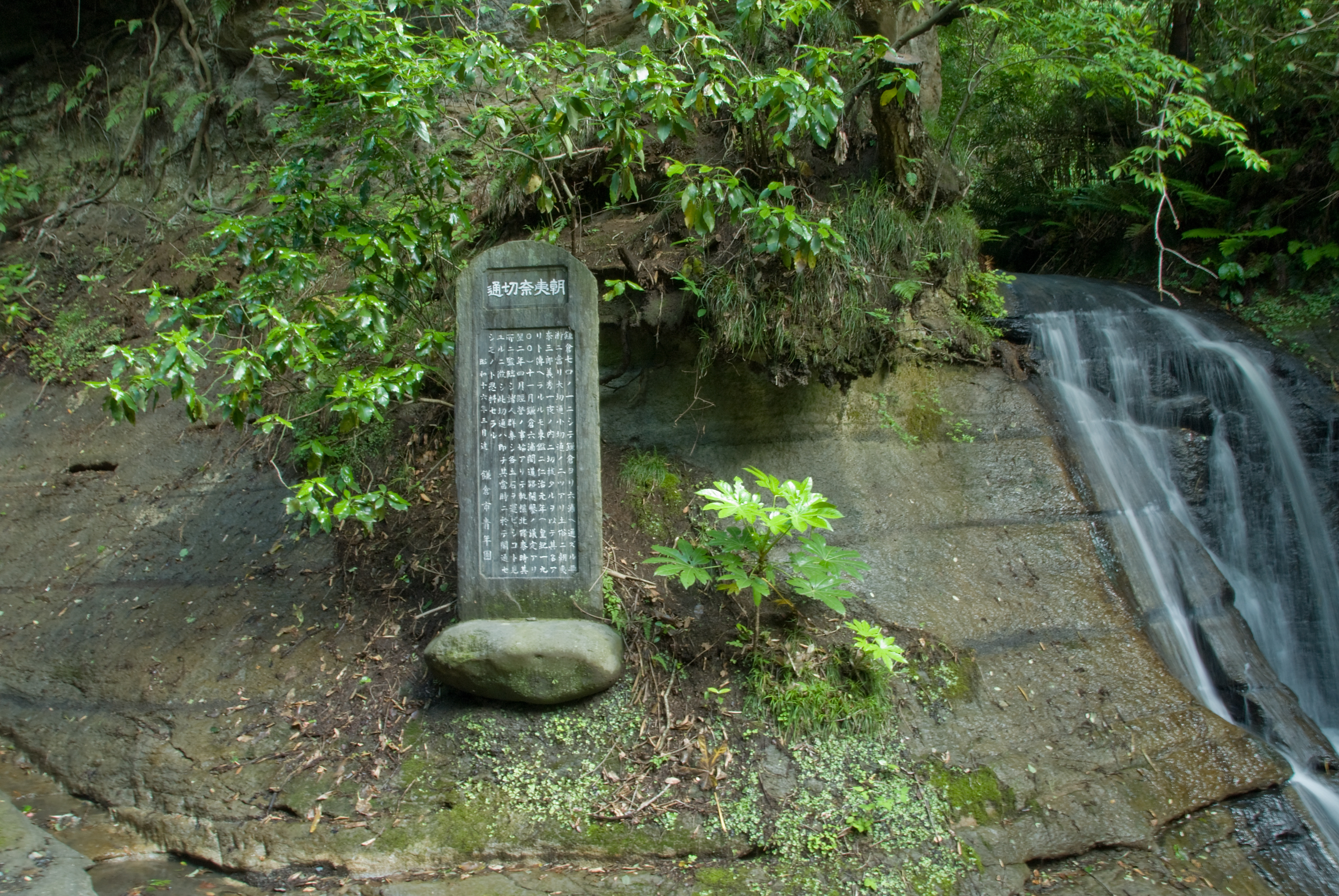
A road runs through a deep cleft in the mountain ridge. This is a kiridoshi, a pass cut through the hills. It was the gateway of the capital, linking Kamakura, ringed by hills, to the world beyond.
On both sides of the road rise cliffs of cut rock, thickly covered in moss. On the face of the stone, chisel marks still remain. Many hands, little by little, split this mountain open.
To the east of Kamakura, the records say the Asaina Kiridoshi was built on the orders of Hojo Yasutoki, regent of the shogunate. Yasutoki himself, it is said, rode out on horseback and helped carry the earth. At the far end of the road lay the port of Mutsura, where ships arrived from Boso loaded with salt, rice and timber. People and horses bearing loads crossed this pass to bring those goods into the capital.
The kiridoshi were gateways to the capital, and at the same time, defensive barriers. The roads are narrow and winding, made so that an army could not surge through all at once. Nagoe to the east, Gokurakuji-zaka to the southwest, Kobukurozaka to the north... One by one, roads over the hills were opened this way, and in time they came to be called the Seven Entrances of Kamakura.
Inside the kiridoshi, the air stays cool even in summer. Water seeps from cracks in the rock, and a small stream trickles along the edge of the road.
The pass that laborers crossed eight hundred years ago with salt on their backs still leads on to the sea beyond the mountains.