Multilingual AI audio guide exhibit on WOUDiO (PWA). WOUDiO pioneered the world’s first audio guide platform with built-in donation: listeners can support the cultural venue without leaving the listening experience. The text below is the localized description, details, and narration script for this audio guide stop.
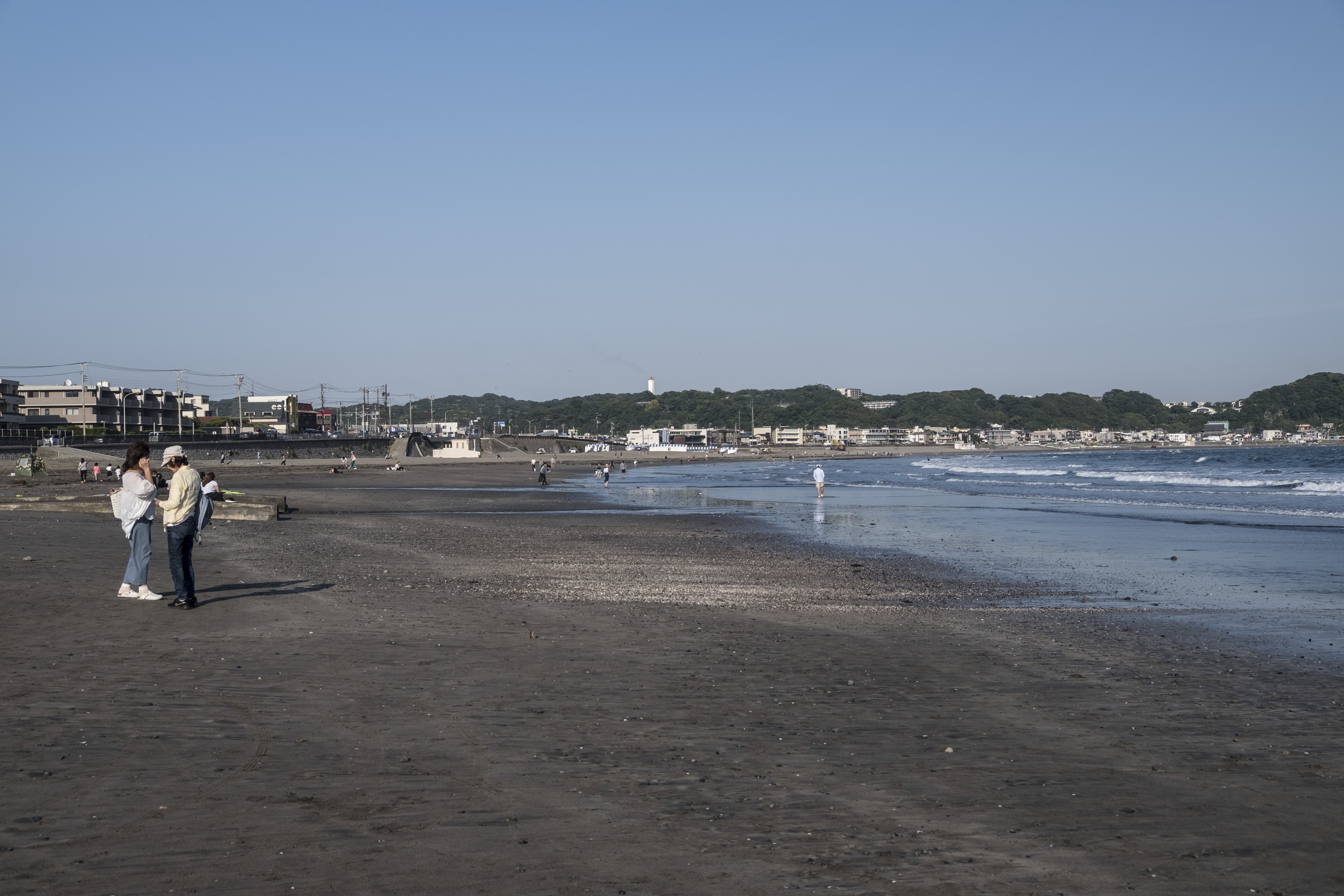
South of Kamakura, a sandy beach stretches out in a gentle arc. Yuigahama. In summer, it bustles with people who have come to swim in the sea.
Yet beneath this sand, medieval Kamakura lies sleeping. Excavations have turned up a great many human bones from all along the beach. In the Kamakura period, it is thought, the beach to the south of the capital was also a place where the dead were buried. One view holds that among them may be people who died in 1333, in the battle when Nitta Yoshisada's army stormed Kamakura.
Yuigahama was also the front door of the capital. Ships anchored offshore, and ceramics and coins carried from Song-dynasty China, along with rice and timber from all over the country, were brought ashore. Fragments of Chinese celadon have been found in the sand. Goods that arrived from across the sea and the final remains of the people who lived in the capital lie buried together in the same sand.
Near the beach there is also Moto Hachiman, the shrine where Minamoto no Yoriyoshi, Yoritomo's ancestor, is said to have first enshrined the god Hachiman. The history of Kamakura began on this shore.
In winter, there are few people on Yuigahama. Only the sound of waves drawing the sand in and pulling it back again spreads across the whole beach.
The beach runs east as far as the stone point of Wakaejima, and west as far as the cliffs of Inamuragasaki.