Multilingual AI audio guide exhibit on WOUDiO (PWA). WOUDiO pioneered the world’s first audio guide platform with built-in donation: listeners can support the cultural venue without leaving the listening experience. The text below is the localized description, details, and narration script for this audio guide stop.
East of Kamakura, far up the Namerikawa River at the back of a narrow valley, stands Hokoku-ji, a Zen temple founded in the age of the Northern and Southern Courts by people connected to the Ashikaga clan.
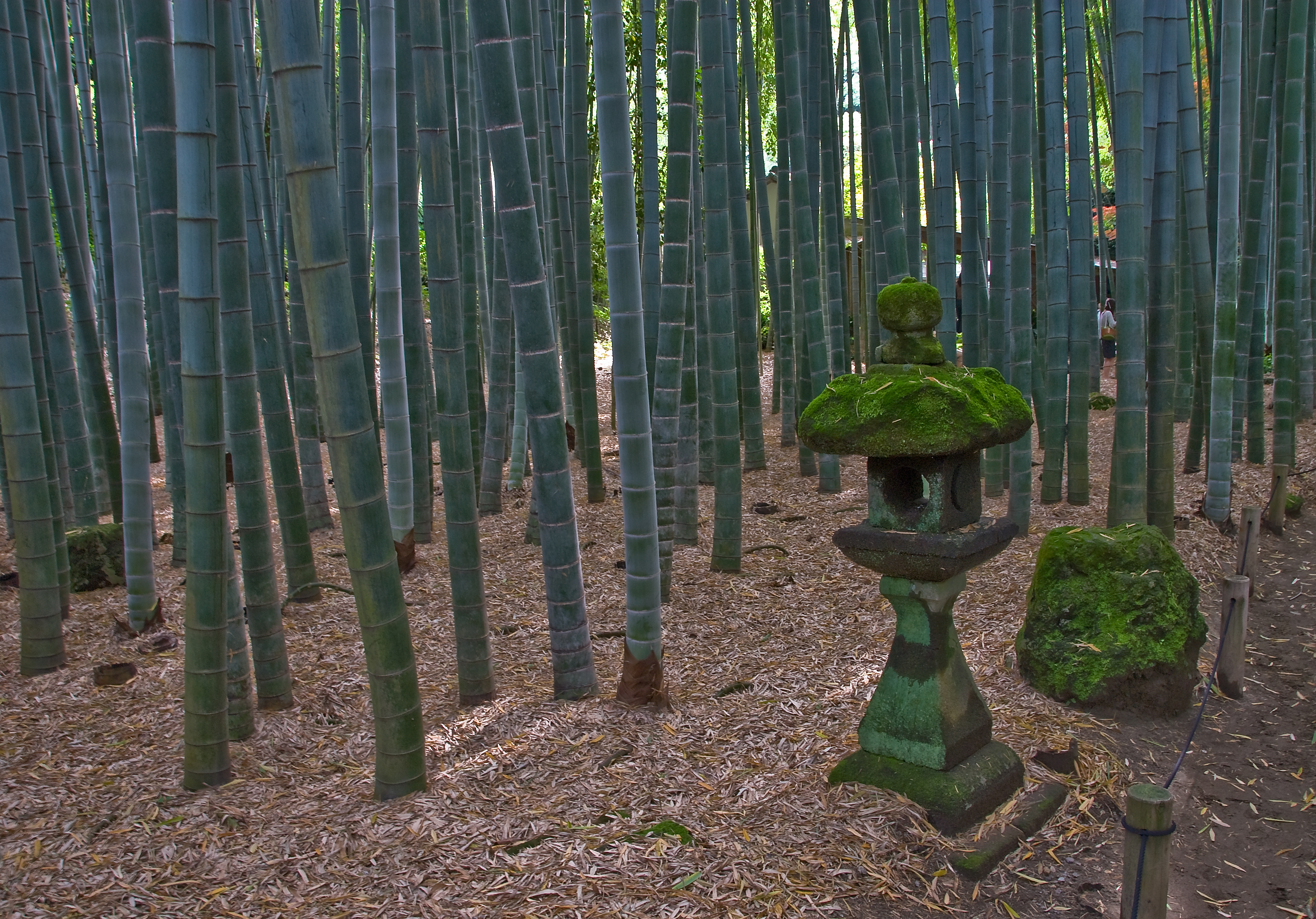
Behind the main hall spreads a grove of moso bamboo. Thick stalks rise straight toward the sky, and the light that falls through the gaps in the leaves is tinted green.
This garden is, if anything, a garden of sound. When the wind blows, the leaves rustle high overhead, and the stalks knock against one another with a dry, hollow sound. Tucked deep in the valley, it is reached by almost none of the noise of the town. Only the sound of bamboo, the calls of birds and, now and then, the sound of water trickling down from the hills fill this garden.
In the cliff at the back of the grove, yagura tombs have been carved. It is said that people connected with the temple's founders rest there. A family that had watched the age of the warriors turn found a quiet place at the very back of the valley.
In one corner of the grove, there is a place to take tea. The freshly whisked matcha comes in a bowl that is first cradled in both hands, its warmth passing into the palms, and then the first sip is taken where the foam has risen. With the sweetness of a rakugan, a small dry sugar confection, the bitterness of the tea spreads softly.
When the wind stops, the grove falls suddenly silent. That silence, too, is one of this garden's sounds.
The path through the bamboo leaves the valley and follows the Namerikawa River, on toward the Asaina Kiridoshi pass.