Multilingual AI audio guide exhibit on WOUDiO (PWA). WOUDiO pioneered the world’s first audio guide platform with built-in donation: listeners can support the cultural venue without leaving the listening experience. The text below is the localized description, details, and narration script for this audio guide stop.
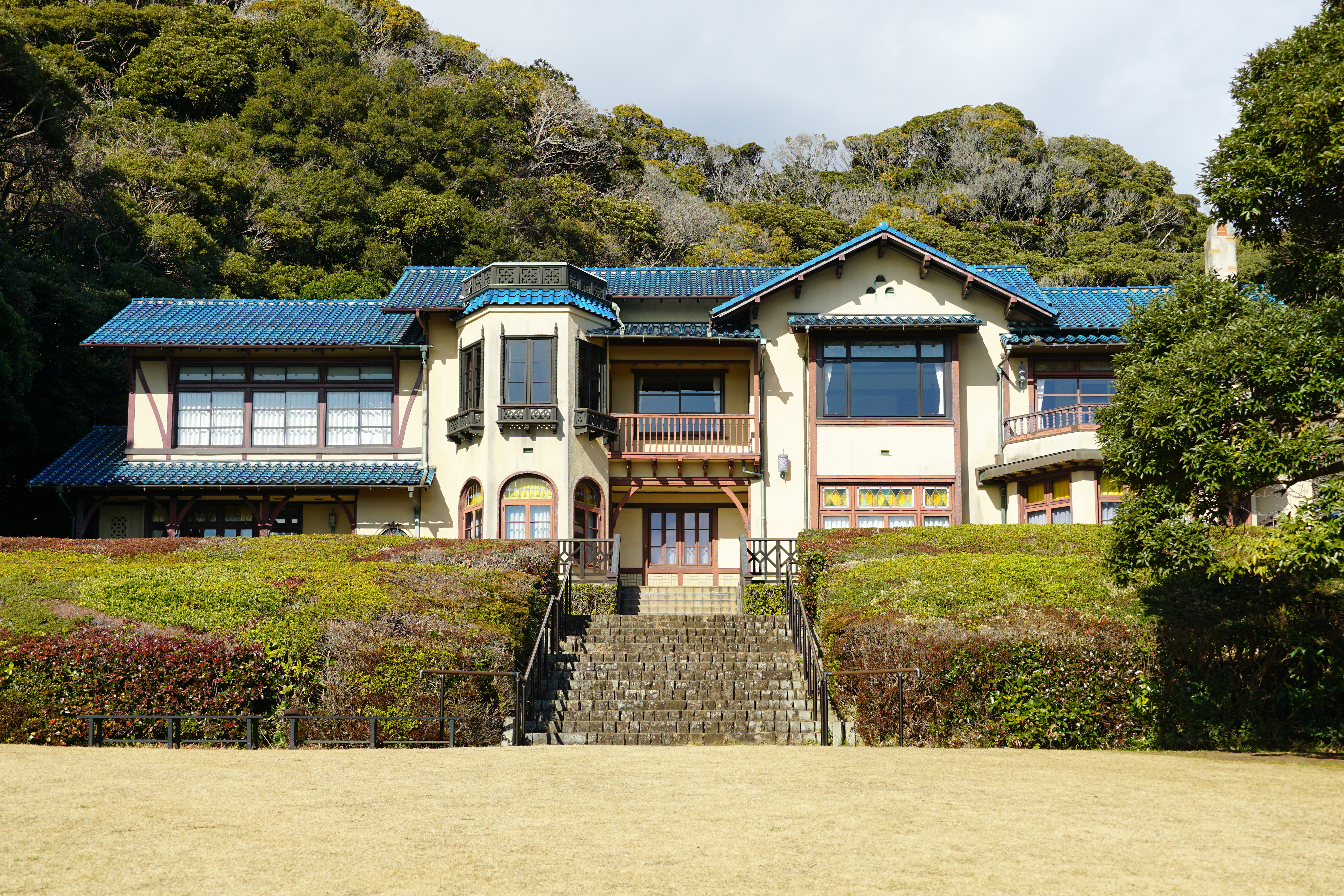
Deep in the Hase valley, at the top of a slope surrounded by trees, stands a Western-style house. It was once the villa of the Marquis Maeda family. Today, as the Kamakura Museum of Literature, it preserves the manuscripts and letters of the writers who lived in this town.
Kamakura became a town of writers in the middle of the Meiji era, after the railway linking Tokyo and Yokosuka came through. A seaside town where, by steam train, even a day trip from Tokyo was possible. Politicians and businessmen built villas here as places to recuperate and rest, and following in their footsteps, writers moved here too.
Natsume Soseki sat in Zen meditation at Engaku-ji, Akutagawa Ryunosuke lived in the seaside town, Kawabata Yasunari made his home in Hase, and Osaragi Jiro kept on writing in his house in Yukinoshita. In 1945, as the war ended, the writers of Kamakura pooled their own book collections and opened a lending library: the Kamakura Bunko. In an age when books were scarce and entertainment was hard to come by, the writers themselves took turns minding the shop, lending books to the people of the town.
The manuscripts displayed in the museum still bear crossed-out words, with new words written in beside them. These traces of lines drawn and redrawn, over and over, are the very hours the writers spent in this town wrestling with language.
The garden of the house opens toward the sea, and in rose season it is wrapped in the scent of flowers. From the foot of the slope, the road leads on to the Great Buddha in Hase, and to the sea at Yuigahama.