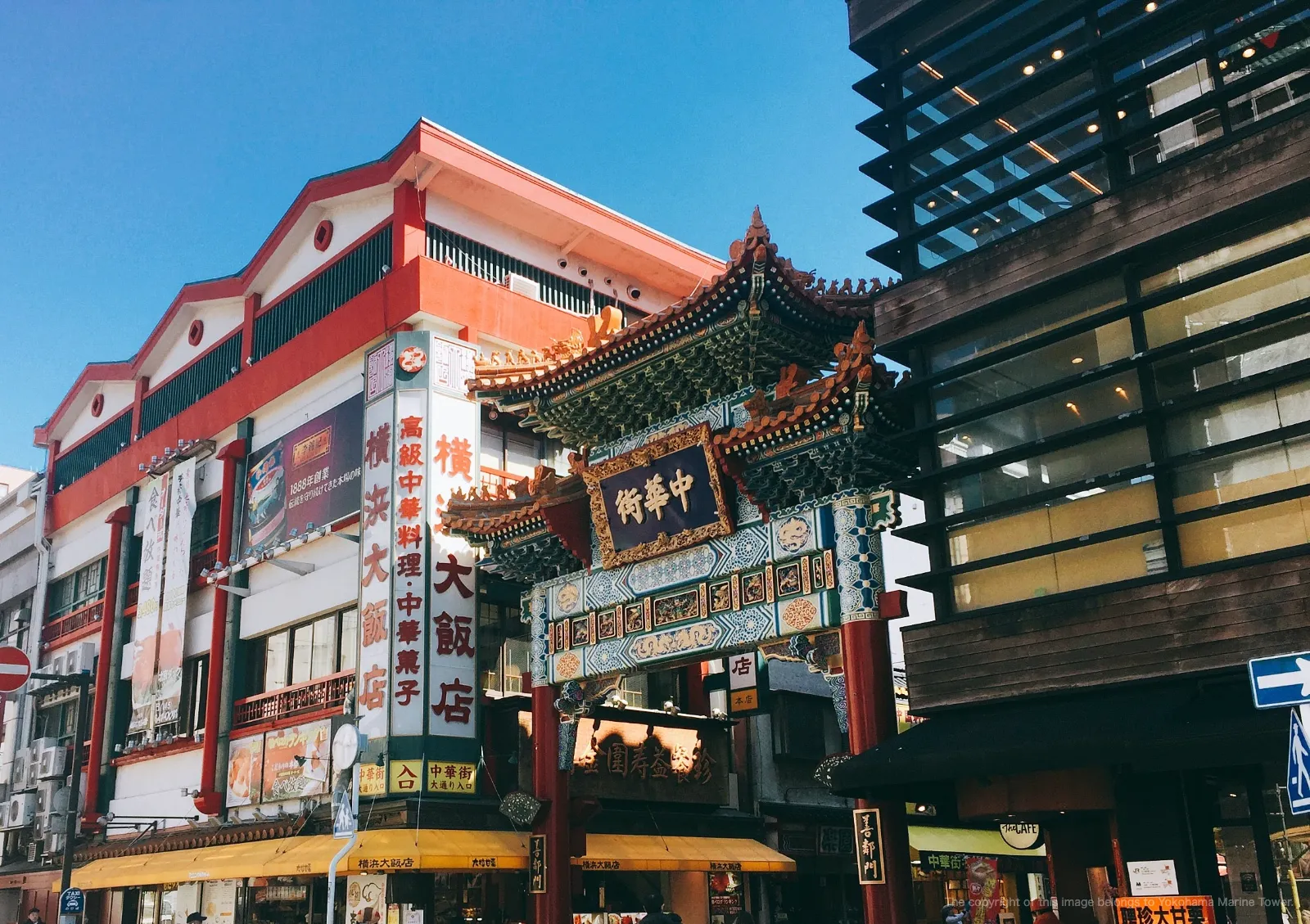
Yokohama Chinatown came into being in this place because, when the port city of Yokohama opened itself to the world, people were needed — people who could…
Multilingual AI audio guide exhibit on WOUDiO (PWA). WOUDiO pioneered the world’s first audio guide platform with built-in donation: listeners can support the cultural venue without leaving the listening experience. The text below is the localized description, details, and narration script for this audio guide stop.
Yokohama Chinatown came into being in this place because, when the port city of Yokohama opened itself to the world, people were needed — people who could bridge different languages and cultures. In 1859, when
Yokohama Port first opened, merchants from Europe and America gathered here in great numbers. Yet they could not speak Japanese, and Japan's own merchants were not always versed in English or French. It was the Chinese who had crossed the sea from Canton and Shanghai who stepped into that gap. They commanded several languages at once, sustained the practical workings of trade, and served as living bridges between cultures that would otherwise have passed each other in silence. The origins of this district, then, lie not so much in the image we might hold today — a street fragrant with restaurant kitchens — but rather in a place where language and commerce intertwined. The path this community walked was far from smooth. The Great Kantō Earthquake of 1923 struck with devastating force, claiming lives and livelihoods. Yet from the rubble, people rose and rebuilt. Then, in 1945, the Yokohama air raids dealt the district another profound wound. And still, through the strength of community, this place breathed again. Again and again, Chinatown was laid low and rose anew, until it grew into one of Yokohama's most defining landscapes. The vivid ornamentation of the Kantei-byō shrine, the vermilion gates, the rising steam and the bustle of the streets — behind that vibrant spectacle lives more than a hundred and sixty years of cross-cultural dialogue, and the ceaseless endeavor of people who refused, each time, to let their city die. To the southwest of Marine Tower, where colorful signs and gates appear between the buildings — this is no mere tourist attraction. Here, the history of those who crossed the sea to connect languages, sustain commerce, and shape the very character of Yokohama as a port city still pulses on.
Origins: 1859 (Yokohama Port Opening)
Location: Yamashitacho, Naka Ward, Yokohama
Area: Approx. 0.2 km²
Establishments: Approx. 600
Key landmarks: Kantei-byō, Maso-byō, Zenrin-mon Gate, and others
Scale: One of the largest
Chinatowns in Japan
Venue-official content of Yokohama Marine Tower. Supervised by: 横浜マリンタワー 360°.