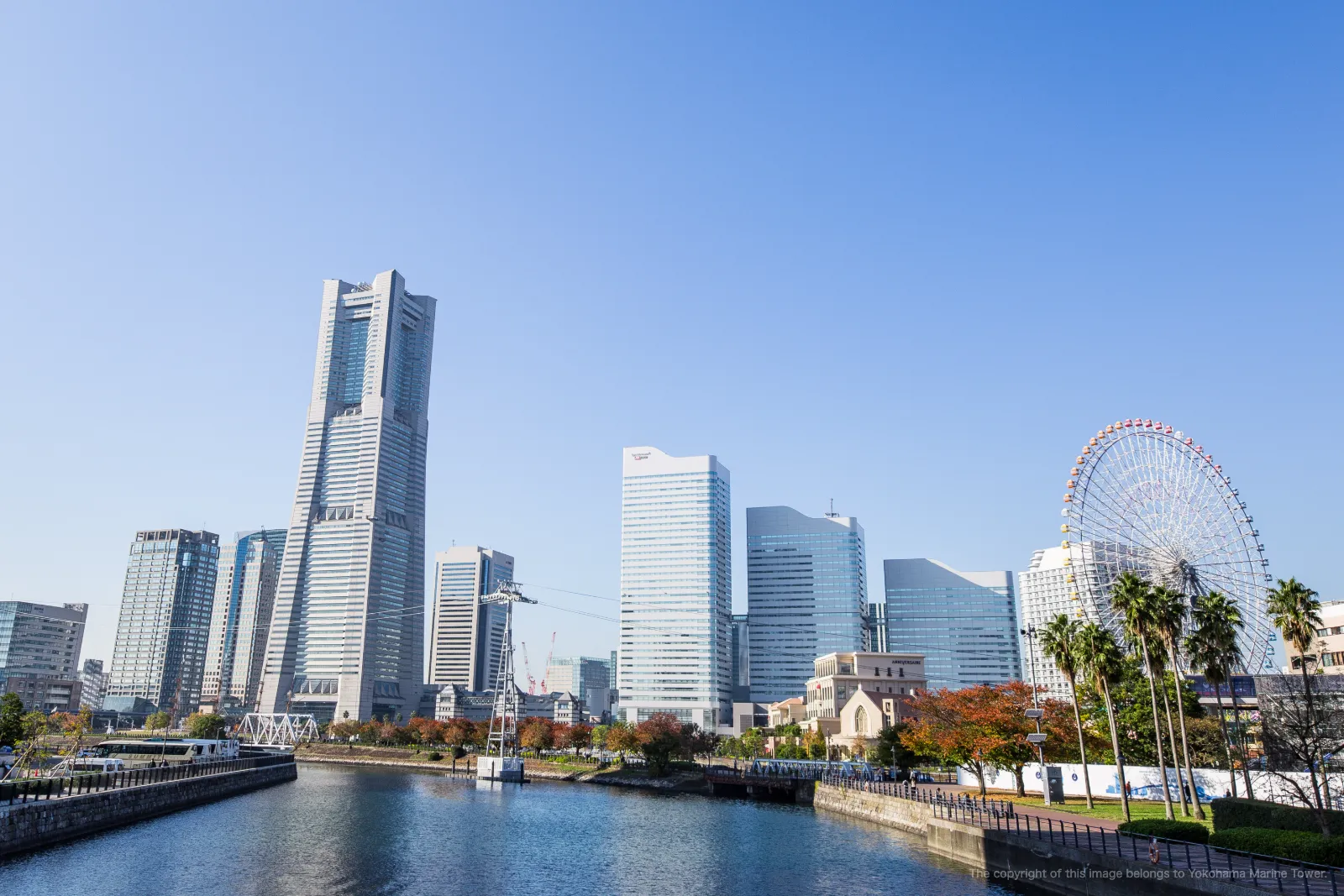
Forty years ago, where those gleaming towers now rise, there spread a vast shipyard — a place that gave birth to great vessels. The Minato Mirai district that…
Forty years ago, where those gleaming towers now rise, there spread a vast shipyard — a place that gave birth to great vessels. The Minato Mirai district that stretches before you today was, in its entirety, once the grounds of the Mitsubishi Heavy Industries Yokohama Shipyard. From the Meiji era through the Showa period, ship after great ship was built along this stretch of waterfront. The iron lattice of cranes cut against the sky, and the sparks of welders' torches lit the night. Yokohama, in those years, was a city that built ships.
Yet from the 1970s onward, as the shipbuilding industry fell into decline, vast tracts of land were left behind — empty, waiting. The city of Yokohama turned to face a grand and difficult question: what do you do with such a silence? Then in 1989, the opening of the Yokohama Exposition set the wheels of urban renewal in motion. More than thirteen million visitors passed through its gates, and Yokohama began to reimagine itself — shedding the identity of a harbor town to embrace the image of a city of the future.
There is one thing I would very much like you to know. At the foot of the Yokohama Landmark Tower lies a sunken plaza known as Dockyard Garden. Those stone steps descending in tiers are not merely ornamental — they are the actual remains of Dry Dock No. 2 of the old Yokohama Shipyard, completed in 1896, where ships were once built and repaired. The site has been designated a National Important Cultural Property. Today it hosts events and restaurants, but those ancient stone walls still hold within them the memory of tides more than a century old.
Looking out now from this observation floor, you see glass and steel towers arrayed in quiet order. Yet beneath that ground, the foundations of the slipways that once cradled enormous hulls lie sleeping still, and beneath them, layer upon layer of reclaimed sea and silt. The name Minato Mirai contains the word for "future" — yet underfoot, the city is filled with the strata of the past. This place was born by laying new dreams upon old memory. The view before you is the most vivid testament to what Yokohama has always been: a city that has known destruction and renewal, again and again.
Former shipyard: Mitsubishi Heavy Industries Yokohama Shipyard (predecessor: Yokohama Dock Co., Ltd.)
Yokohama Exposition: Held in 1989 (Heisei 1); approximately 13.33 million visitors
Dockyard Garden: Former Yokohama Dock No. 2 Dry Dock, completed in 1896 (Meiji 29)
Cultural property designation: Designated a National Important Cultural Property in 1997
Landmark Tower completion: 1993 (Heisei 5)
Minato Mirai district area: Approximately 186 hectares
Location: Minato Mirai, Nishi Ward, Yokohama
Venue-official content of Yokohama Marine Tower. Supervised by: 横浜マリンタワー 360°.