Why did dolls from every corner of the world find their way to Yokohama? The answer lies in the very nature of this city itself. Yokohama is a port town where…
Multilingual AI audio guide exhibit on WOUDiO (PWA). WOUDiO pioneered the world’s first audio guide platform with built-in donation: listeners can support the cultural venue without leaving the listening experience. The text below is the localized description, details, and narration script for this audio guide stop.
Why did dolls from every corner of the world find their way to Yokohama? The answer lies in the very nature of this city itself. Yokohama is a port town where people and things have always moved in and out like the tide. When ships arrived, foreign cultures stepped ashore; when ships departed, Japanese culture sailed out across the sea. Among all that came and went, dolls, too, crossed the water. The Yokohama Doll Museum holds in its care dolls gathered from more than 140 countries and regions around the world. Finely crafted bisque dolls from Europe. Wooden figures from Asia, carved as if holding a prayer within them. Cloth dolls dressed in the colors of the African earth. Each one distills into its small body the landscape, the faith, and the sense of beauty of the land where it was born. There is one story that must not be forgotten. In 1927, approximately 12,000 "blue-eyed dolls" were sent from the United States to Japan as a token of friendship. In return, Japan dispatched 58 "ambassador dolls" across the sea. Into those small, quiet figures, the hope for goodwill between nations was entrusted. Then the age of war arrived. Many of the blue-eyed dolls were destroyed, denounced as symbols of the enemy. And yet there were those who kept them hidden. There were hands that sheltered children's treasures from the madness of the times. The blue-eyed dolls that survive today are the fruit of courage — the courage of countless nameless people. Just beside
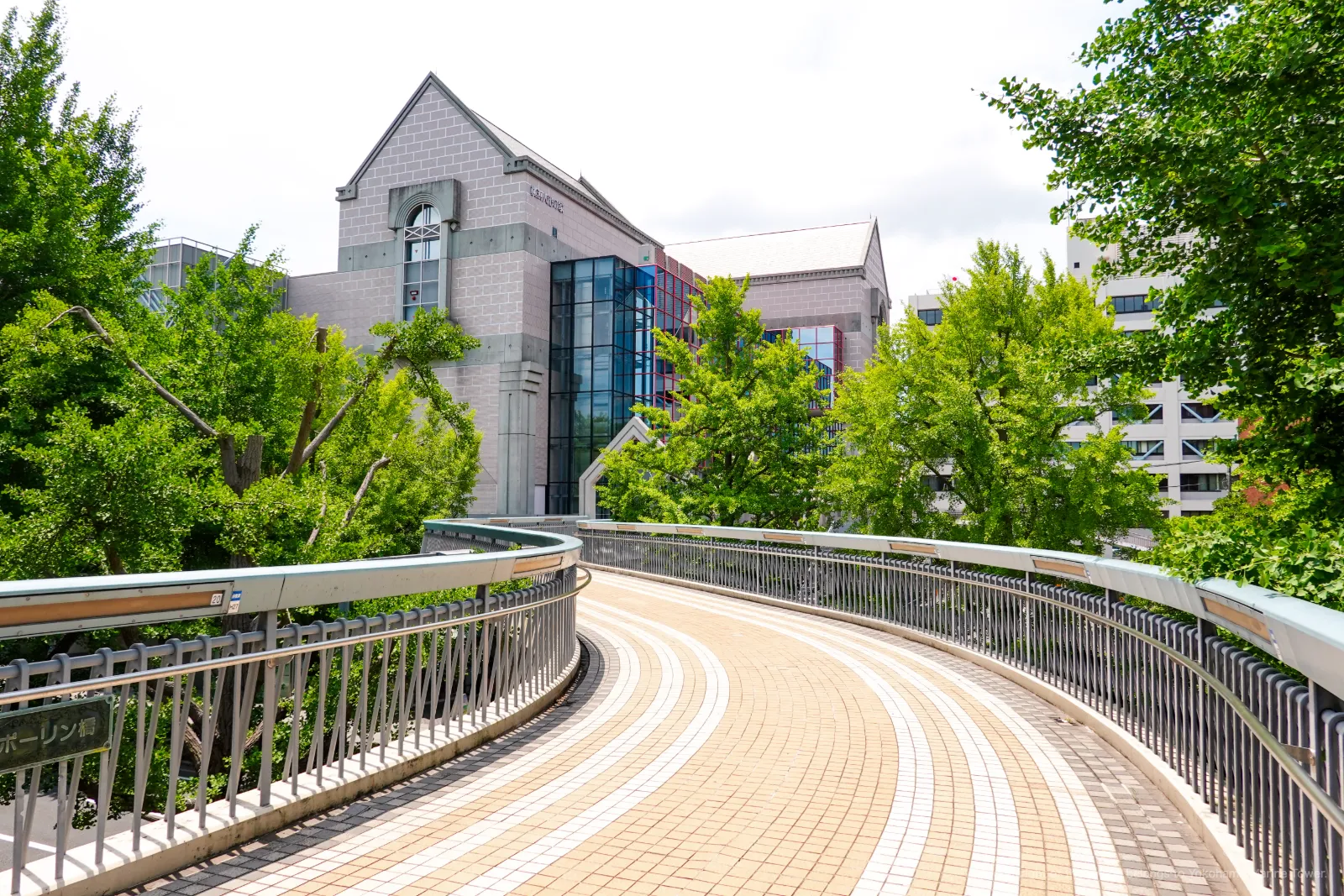
Yamashita Park, the red building of the Doll Museum stands. Inside, the cultures of the world breathe quietly on, each one taking the shape of a doll. It is an accumulation of culture made possible only because this is Yokohama — a city of the sea. The dolls do not speak. And yet within their silence dwells the memory of countless meetings and farewells carried across the ocean.
Location: 18 Yamashitacho, Naka-ku, Yokohama
Opened: 1986 (current building renovated in 2006)
Collection size: Over approximately 13,000 items
Collection scope: Dolls from more than 140 countries worldwide
Blue-eyed dolls: Approximately 12,000 presented from the United States in 1927
Ambassador dolls: 58 sent from Japan to the United States in return
Venue-official content of Yokohama Marine Tower. Supervised by: 横浜マリンタワー 360°.