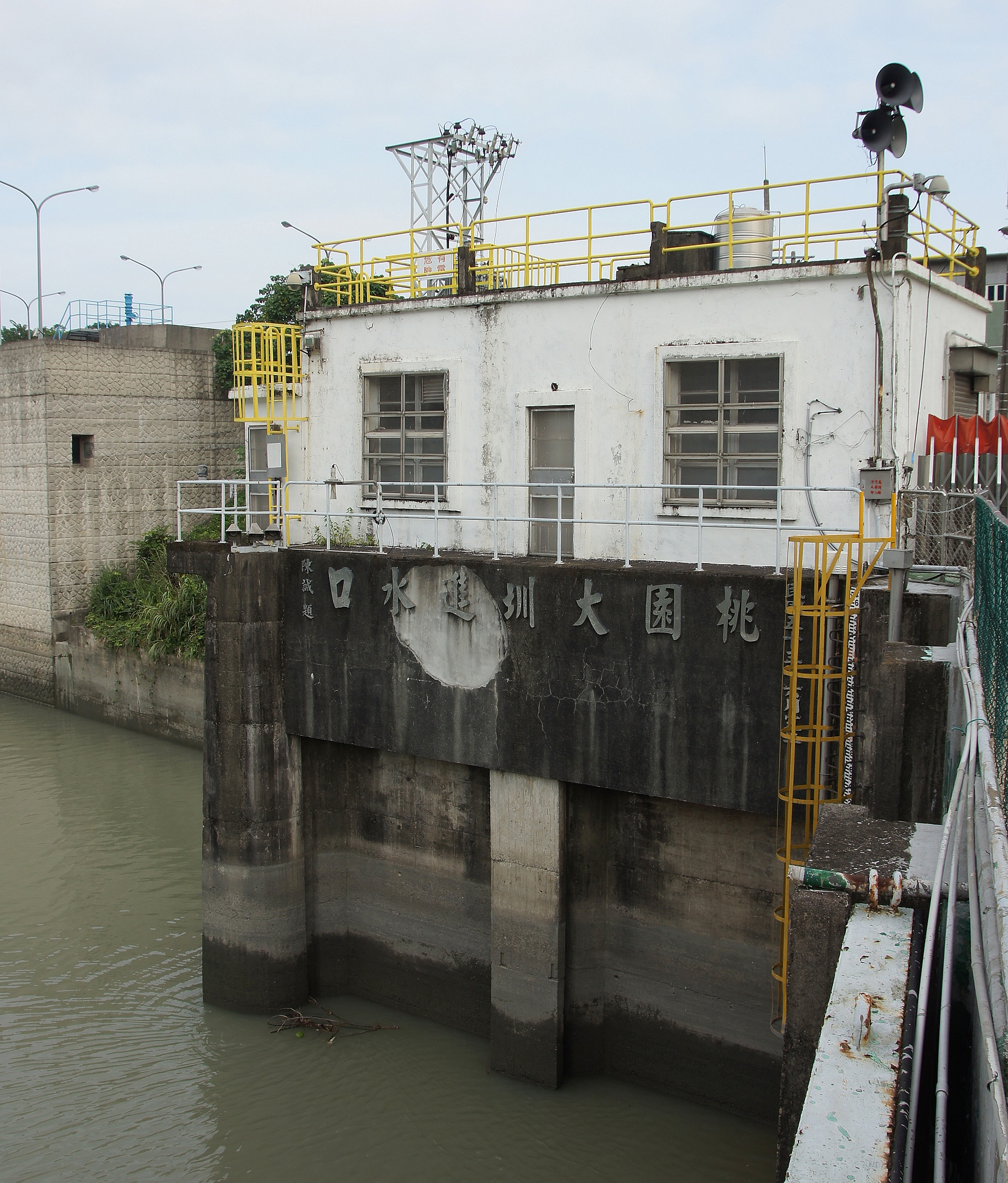
Before this canal ran through, rice cultivation on the Taoyuan Plateau depended on nothing but rain falling from the sky. Construction proceeded during the…
Multilingual AI audio guide exhibit on WOUDiO (PWA). WOUDiO pioneered the world’s first audio guide platform with built-in donation: listeners can support the cultural venue without leaving the listening experience. The text below is the localized description, details, and narration script for this audio guide stop.
Before this canal ran through, rice cultivation on the Taoyuan Plateau depended on nothing but rain falling from the sky.
Construction proceeded during the period of Japanese rule, and in 1928 the Taoyuan Canal was completed. It drew water from the Dahan River upstream, carried it through a tunnel cut beneath the hills, and brought it up onto the plateau.
What made this waterway so clever was that it did not discard the ponds already there. It linked together the many existing pitang, the embanked ponds, connecting river water to pond, and pond to paddy field. The old ponds were rewoven into a single mesh of channels.
Because of this, rice yields on the plateau rose greatly. At the same time, the distribution of water came under the control of the Governor-General's Office, and farmers came to receive fixed amounts of water at fixed times. Water that had once been shared through arrangements made pond by pond was now folded into a single system.
It is said that Hatta Yoichi — who would later oversee the Chianan Canal in Tainan — was also involved in planning this waterway.
The construction that enriched daily life was, at the same time, something that rewrote the rules of that life from the outside.
The canal still flows across the plateau today.