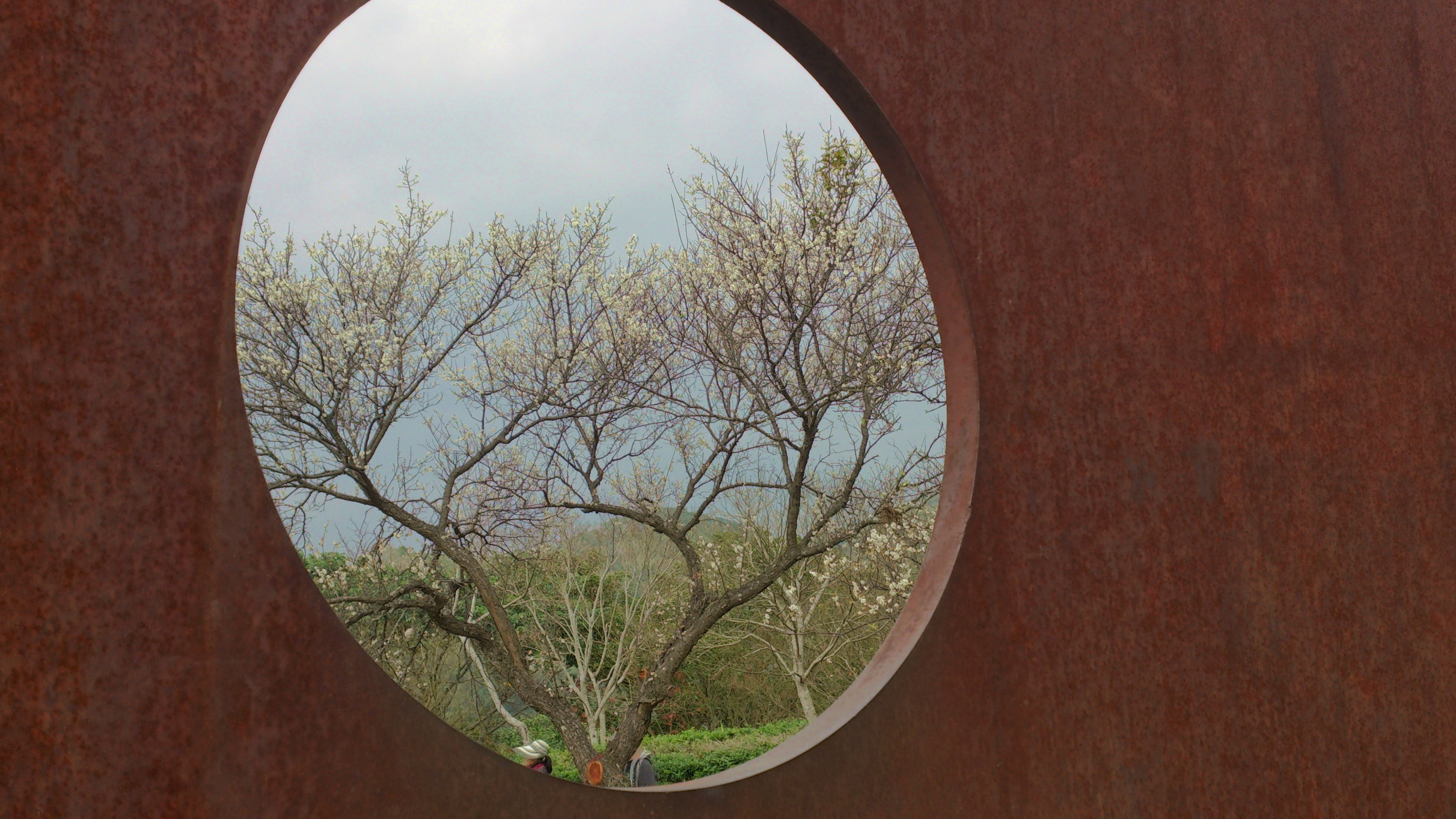
The flat highland atop this mountain was once a settlement of the Atayal people, and later became the site where a leader built his villa. Jiaobanshan sits on…
Multilingual AI audio guide exhibit on WOUDiO (PWA). WOUDiO pioneered the world’s first audio guide platform with built-in donation: listeners can support the cultural venue without leaving the listening experience. The text below is the localized description, details, and narration script for this audio guide stop.
The flat highland atop this mountain was once a settlement of the Atayal people, and later became the site where a leader built his villa.
Jiaobanshan sits on a highland overlooking the Dahan River. During the period of Japanese rule, it served as a base for governing the mountain regions.
After the war, Chiang Kai-shek's retreat—his villa—was built here. It is said that he favored the place for its resemblance to the landscape of his homeland on the mainland, and stayed here often. The remains of the retreat are now open to the public as a park.
The name of this area, Fuxing, meaning "restoration" or "revival," is said to have been given during that same era—a name carrying the wish to one day reclaim the mainland.
On this same highland, the life of the Atayal people continues still. Upon a single mountain, the long span of time belonging to the indigenous people overlaps with the political time of the postwar era.
Chiang Kai-shek is remembered by some as the leader who protected Taiwan and laid the foundations for its development. Yet others hold him accountable for the long years of martial law and political repression that followed. His legacy remains deeply divided to this day.
Along the edge of the highland, a wind rises from the valley and passes through.
The same view was seen by the Atayal people as their homeland—while another man saw in it a homeland to which he could never return.