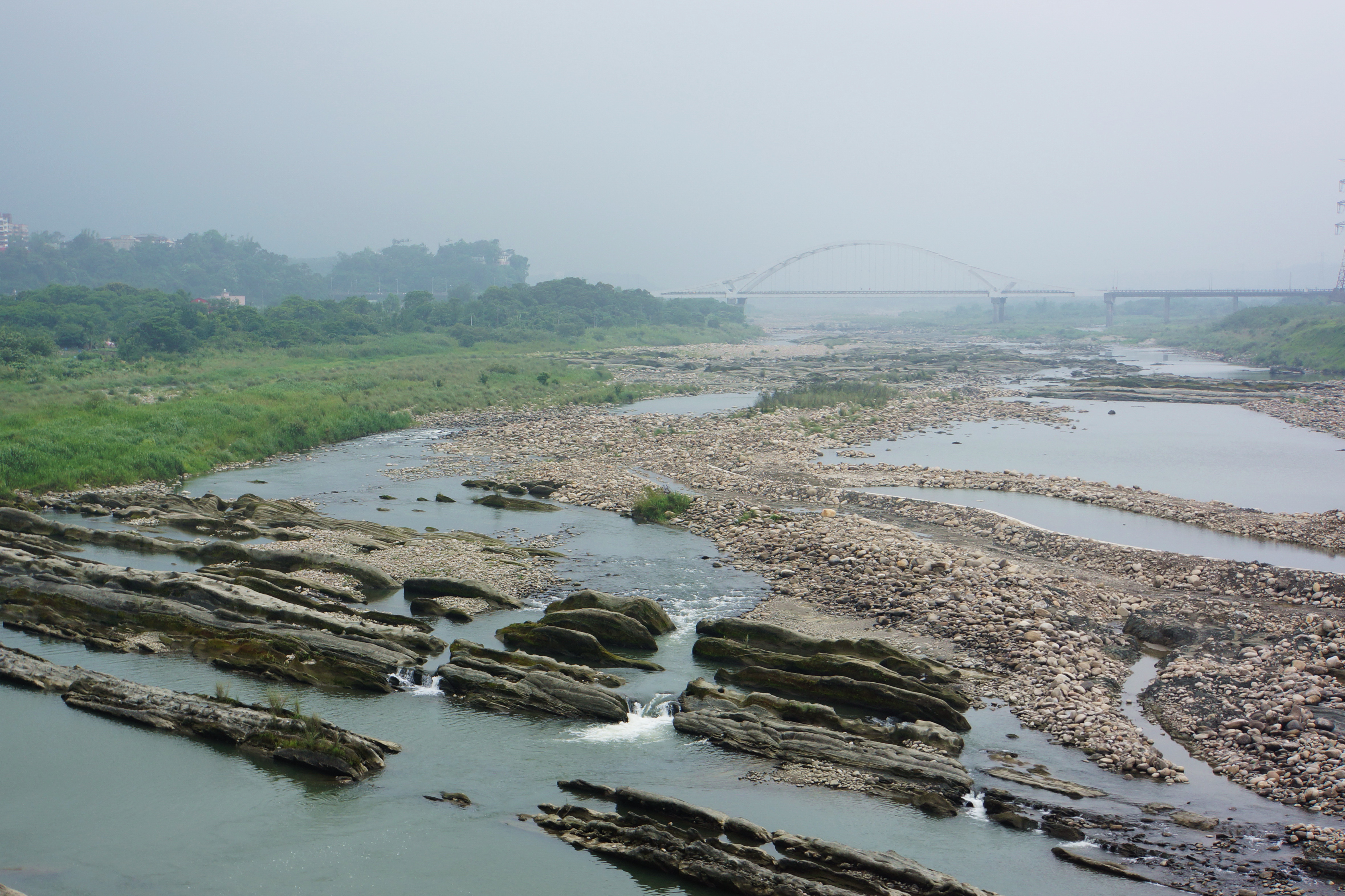
Beneath this bluff flows a river where boats once came and went, laden with cargo — for this was once a river-port town. The old name for Daxi was Dakekan,…
Multilingual AI audio guide exhibit on WOUDiO (PWA). WOUDiO pioneered the world’s first audio guide platform with built-in donation: listeners can support the cultural venue without leaving the listening experience. The text below is the localized description, details, and narration script for this audio guide stop.
Beneath this bluff flows a river where boats once came and went, laden with cargo — for this was once a river-port town.
The old name for Daxi was Dakekan, said to be a Chinese-character rendering of a word from the indigenous peoples who once lived here.
In the nineteenth century, this town flourished as the starting point for river traffic down the Dahan River. Camphor and tea, carried down from the mountains, were loaded onto boats here and sent downstream to Bangka in Taipei.
Camphor is a crystalline substance extracted from the camphor laurel tree. It was used as an insect repellent and medicine, and later became a raw material for celluloid and smokeless gunpowder. Taiwan at that time was one of the world's leading producers of camphor.
Merchants gathered in this town, drawn by the wealth it promised. Even the Lin Ben Yuan family, the renowned clan of Banqiao in Taipei, is said to have once made this town their base.
But little by little, the river grew shallow. As the forests upstream were cleared, silt washed down and boats could no longer make their way up. In time, railways and roads replaced river transport, and the port town's role came to an end. In 1920, the town's name was changed from Dakekan to Daxi.
Looking down from the edge of this bluff, the river flows far below.
The character "xi" — meaning "stream" — remaining in the town's name still remembers a time when this place once turned toward the water.