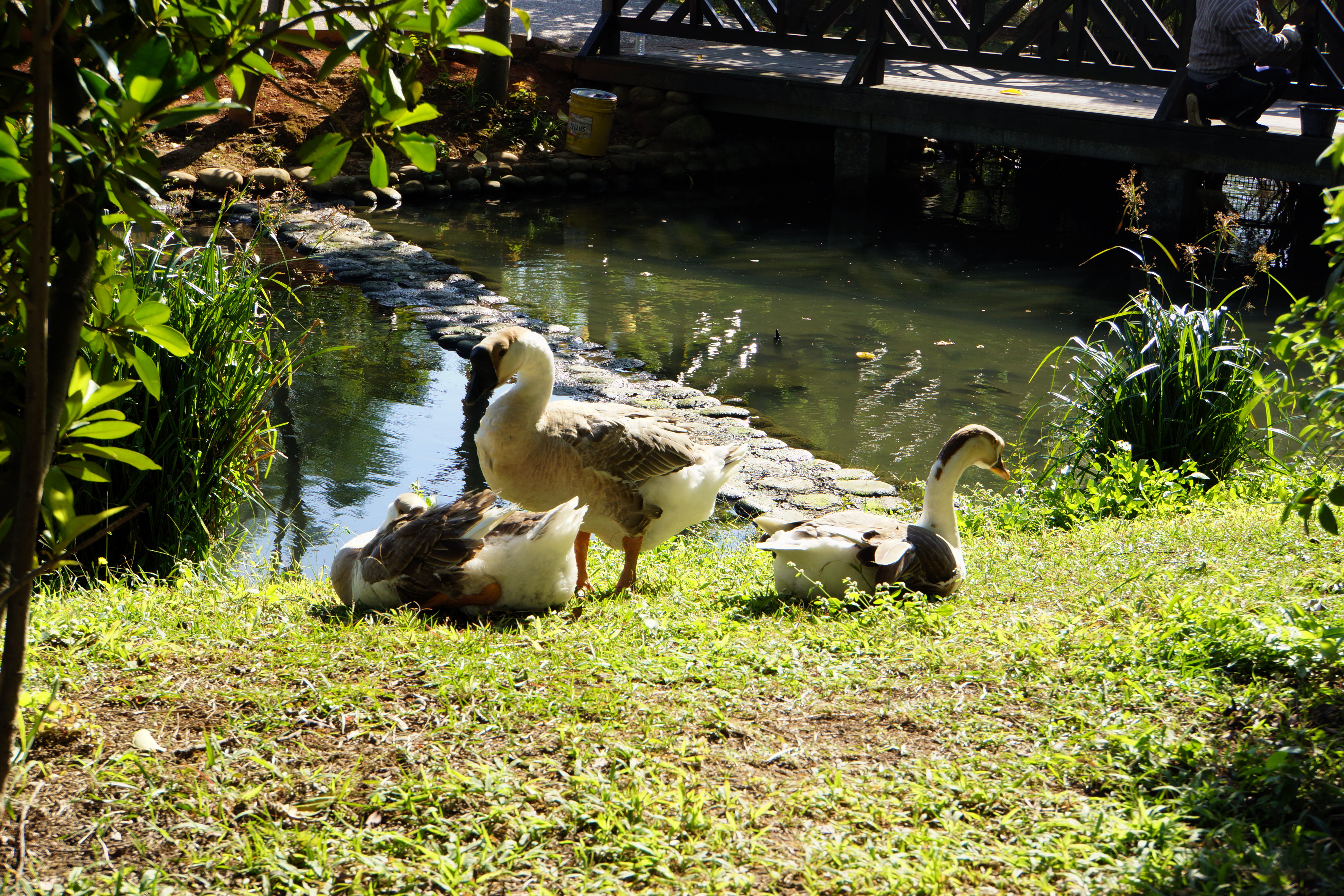
Once, across this entire plateau, thousands of ponds were dug. Even now, many of them still hold water. The Taoyuan Plateau stands one level higher than the…
Multilingual AI audio guide exhibit on WOUDiO (PWA). WOUDiO pioneered the world’s first audio guide platform with built-in donation: listeners can support the cultural venue without leaving the listening experience. The text below is the localized description, details, and narration script for this audio guide stop.
Once, across this entire plateau, thousands of ponds were dug. Even now, many of them still hold water.
The Taoyuan Plateau stands one level higher than the land around it. Rivers cut deep channels along its edges as they flowed, so their water could never be drawn up to the height of the fields. Rain fell often here—but whatever fell would quickly drain away.
So the people built earthen banks in the low places of the land, and gathered the rainwater there. These are called pitang, embanked ponds. Household by household, village by village, ponds were dug, and their water was used to grow rice.
Seen from above, the plateau looks like a pattern of polka dots. Round ponds, square ponds, ponds with a corner cut away. Their shapes differ because each one was dug by a different family, in a different era.
Accounts vary as to how many ponds existed at their peak, but all agree the number reached into the thousands. This is why Taoyuan came to be known as "the Village of a Thousand Ponds."
The ponds were not only for storing water. When they were drained in winter, fish would leap up from the mud. The day the whole village turned out to catch them was something of a small festival.
Today, some of the ponds have been filled in, replaced by factories and houses. Others now carry solar panels floating on their surface.
Yet the shapes made to hold water are still etched into the plateau, even now.