Since 1975, the body of Chiang Kai-shek has lain in this quiet lakeside building. Chiang Kai-shek died in 1975. It is said that he wished to be buried in his…
Multilingual AI audio guide exhibit on WOUDiO (PWA). WOUDiO pioneered the world’s first audio guide platform with built-in donation: listeners can support the cultural venue without leaving the listening experience. The text below is the localized description, details, and narration script for this audio guide stop.
Since 1975, the body of Chiang Kai-shek has lain in this quiet lakeside building.
Chiang Kai-shek died in 1975. It is said that he wished to be buried in his hometown of Zhejiang, China, and this place, Cihu, was chosen as a temporary resting place until that wish could be fulfilled. The scenery of the lake, it is said, resembled that of his homeland.
Half a century has since passed. What was meant to be "temporary" has stretched on through a long span of time.
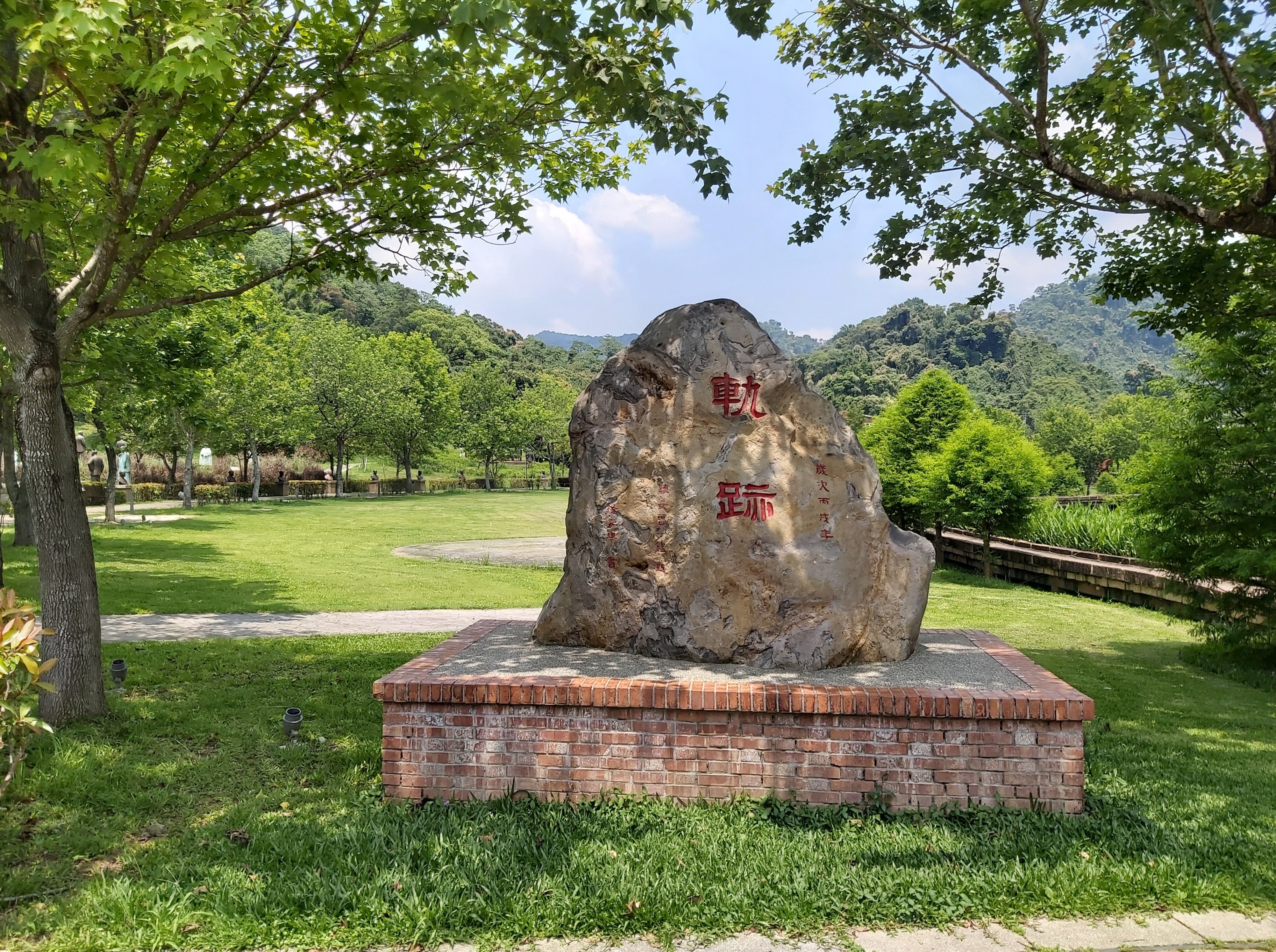
Nearby, in the Cihu Memorial Sculpture Park, statues of Chiang Kai-shek stand in long rows. After democratization, statues removed from schools and parks across Taiwan were gathered together here. A statue on horseback, one seated in a chair, one with a raised hand — the same figure, in many sizes and expressions, lined up across the lawn.
Opinions of Chiang Kai-shek remain sharply divided within Taiwan. Some see him as the leader who protected Taiwan and laid the foundations for its development. Others see him as the one responsible for the long years of martial law and the political repression known as the White Terror.
Rather than destroying the statues removed from across the island, they were gathered together in one place, left intact. That choice itself speaks to how this society has tried to come to terms with its past.
The lawn where the statues stand is still tended today, quietly mowed and kept in order.