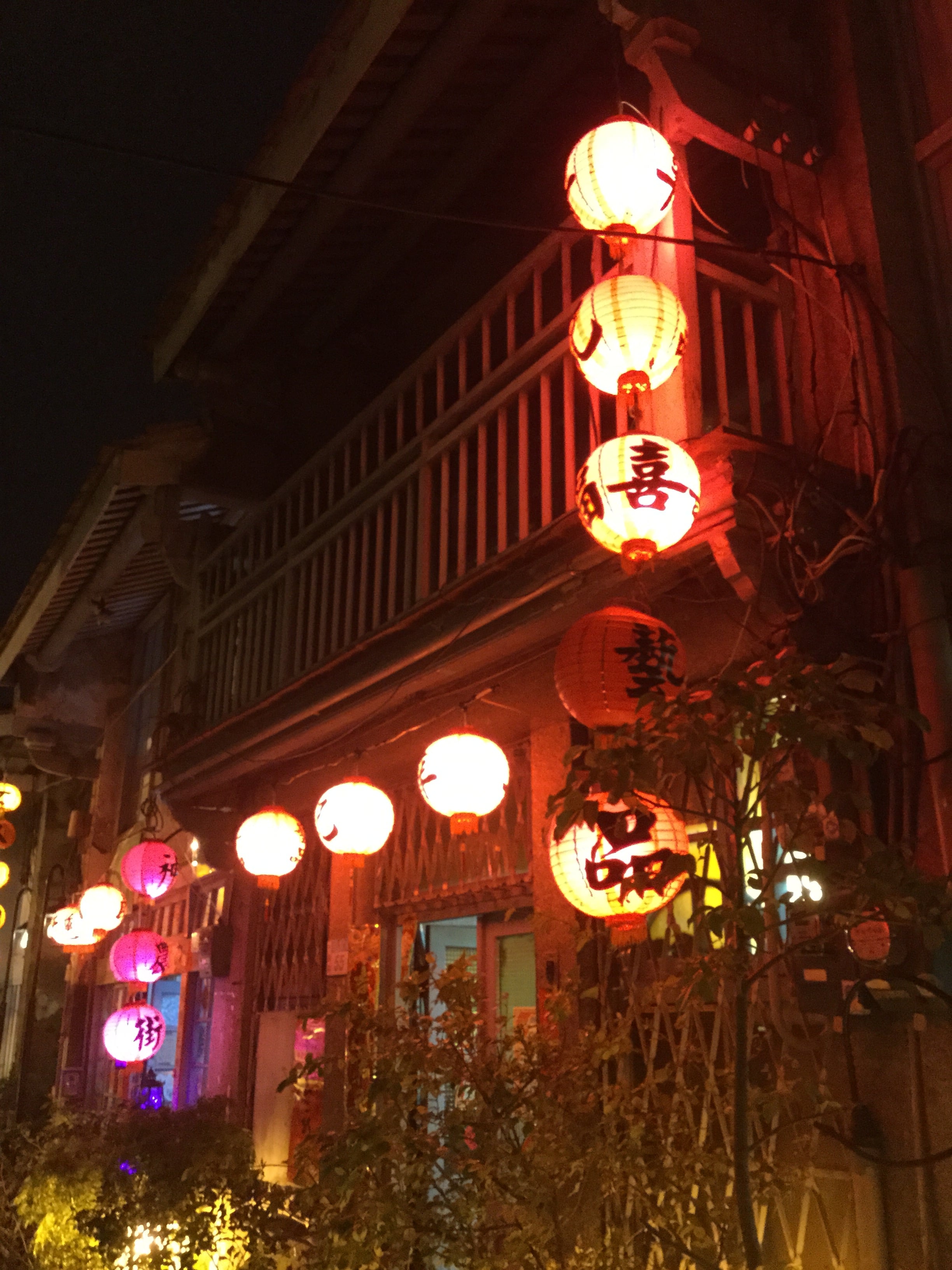
The width of this road is the width of a boat. Once you step into Shennong Street, take a good look at the buildings. Narrow at the front, deep and long…
Multilingual AI audio guide exhibit on WOUDiO (PWA). WOUDiO pioneered the world’s first audio guide platform with built-in donation: listeners can support the cultural venue without leaving the listening experience. The text below is the localized description, details, and narration script for this audio guide stop.
The width of this road is the width of a boat.
Once you step into Shennong Street, take a good look at the buildings. Narrow at the front, deep and long behind. Some say it's because taxes were levied on street-facing frontage, but there's a simpler reason too: the front once faced the water. The place for unloading cargo was better narrow. The warehouse could simply extend backward, deep into the lot.
During the Qing dynasty, five waterways once wound their way into this area. They were called the Five Channels—Wutiaogang. After the inner sea grew shallow and large ships could no longer enter, the practice shifted to using small boats to carry goods directly deep into the town.
Each waterway handled different goods, and each was governed by a different group of merchants from the same native place. Sugar, cloth, medicinal herbs, timber. The wholesale guilds, known as "na," each kept their own temple, each guarding their own port.
Step into the Shuixian Temple Market. This was once the temple where that wholesale guild made its offerings. Now the building houses fish and vegetable stalls, and there is no boundary left between temple and market.
All the waterways were filled in. But since the roads were laid over them afterward, their shape remains.
The line you are walking now is where water once flowed. Come evening, this is the one street where the wind still passes through.