Spread out before you is Japan's largest Chinatown — one of the most expansive in all of East Asia. Did you know how this neighborhood began, this compact…
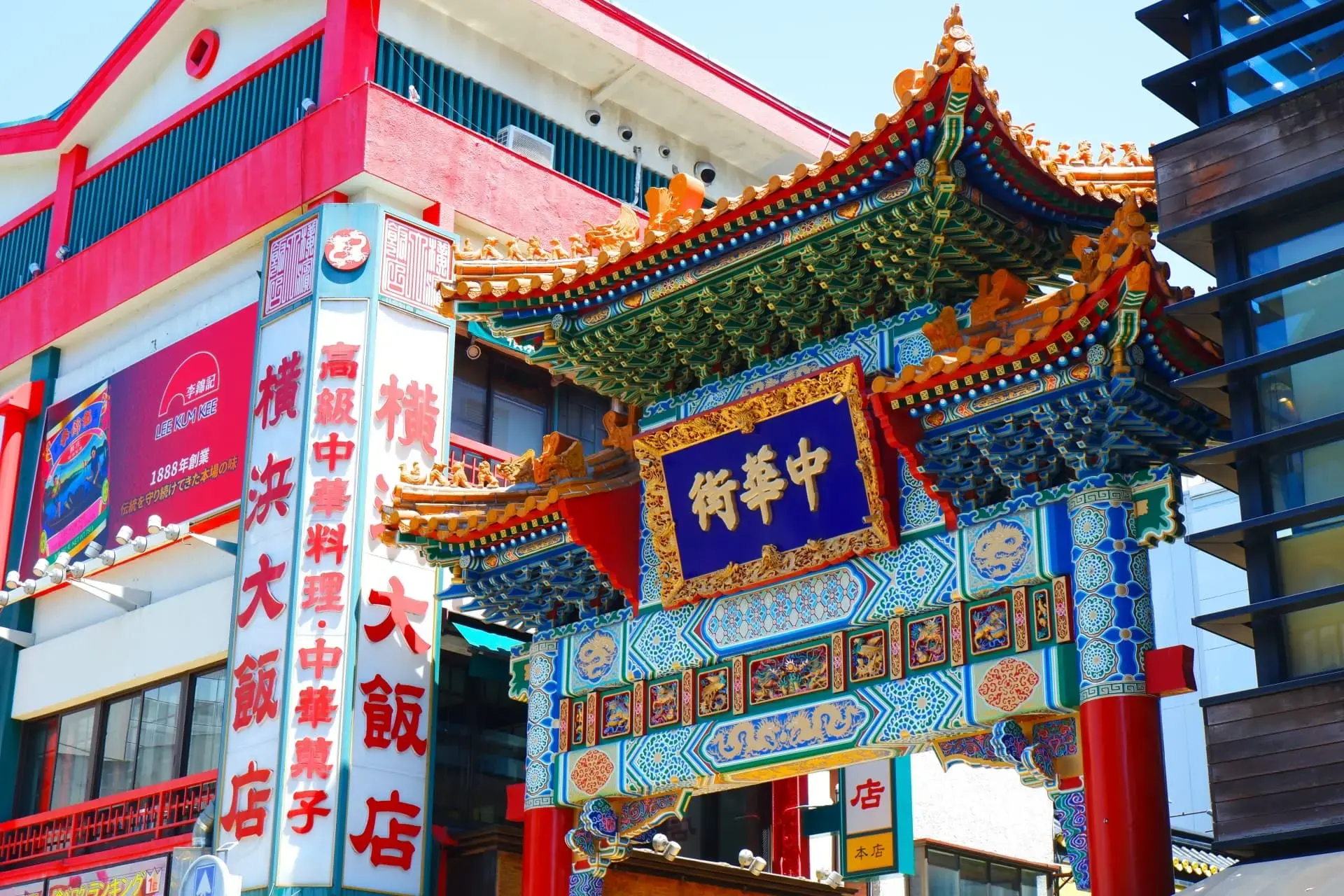
Spread out before you is Japan's largest Chinatown — one of the most expansive in all of East Asia. Did you know how this neighborhood began, this compact world of barely two-tenths of a square kilometer, where more than five hundred shops press close together in a living tapestry of sound and color? The story takes us back to 1859, just a few years after the arrival of Commodore Perry's fleet, to the very moment Yokohama opened its doors to international trade. As foreign settlements were established and Western merchants arrived to seek their fortunes, so too did many Chinese traders and the tradesmen who served them — crossing the sea to plant new roots in this rising port city. They came as interpreters, as brokers and go-betweens, and gradually, they made this corner of Yokohama their own.
In those early years, people called this quarter Nanjing Street — Nanjing being the city that, to many minds, embodied China itself. In time, that name became synonymous with a place where Chinese culture breathed and flourished. The neighborhood endured two devastating blows: the Great Kantō Earthquake, and then the Second World War. Yet each time, like a phoenix, it rose again from the ashes — rebuilt by the hands of those who refused to let it disappear. The vitality you find here today was born of that resilience.
The ground on which you now stand is a palimpsest of more than one hundred and fifty years of history. Every cobblestone bears the imprint of countless footsteps. And so your journey through time begins. If you listen closely, you may yet hear the distant clamor of days long past.
Spread out before you is Japan's largest Chinatown — one of the most expansive in all of East Asia. Did you know how this neighborhood began, this compact world of barely two-tenths of a square kilometer, where more than five hundred shops press close together in a living tapestry of sound and color? The story takes us back to 1859, just a few years after the arrival of Commodore Perry's fleet, to the very moment Yokohama opened its doors to international trade. As foreign settlements were established and Western merchants arrived to seek their fortunes, so too did many Chinese traders and the tradesmen who served them — crossing the sea to plant new roots in this rising port city. They came as interpreters, as brokers and go-betweens, and gradually, they made this corner of Yokohama their own.
In those early years, people called this quarter Nanjing Street — Nanjing being the city that, to many minds, embodied China itself. In time, that name became synonymous with a place where Chinese culture breathed and flourished. The neighborhood endured two devastating blows: the Great Kantō Earthquake, and then the Second World War. Yet each time, like a phoenix, it rose again from the ashes — rebuilt by the hands of those who refused to let it disappear. The vitality you find here today was born of that resilience.
The ground on which you now stand is a palimpsest of more than one hundred and fifty years of history. Every cobblestone bears the imprint of countless footsteps. And so your journey through time begins. If you listen closely, you may yet hear the distant clamor of days long past.