It took a long, long time for
Koajiro Forest to be protected as it is today.
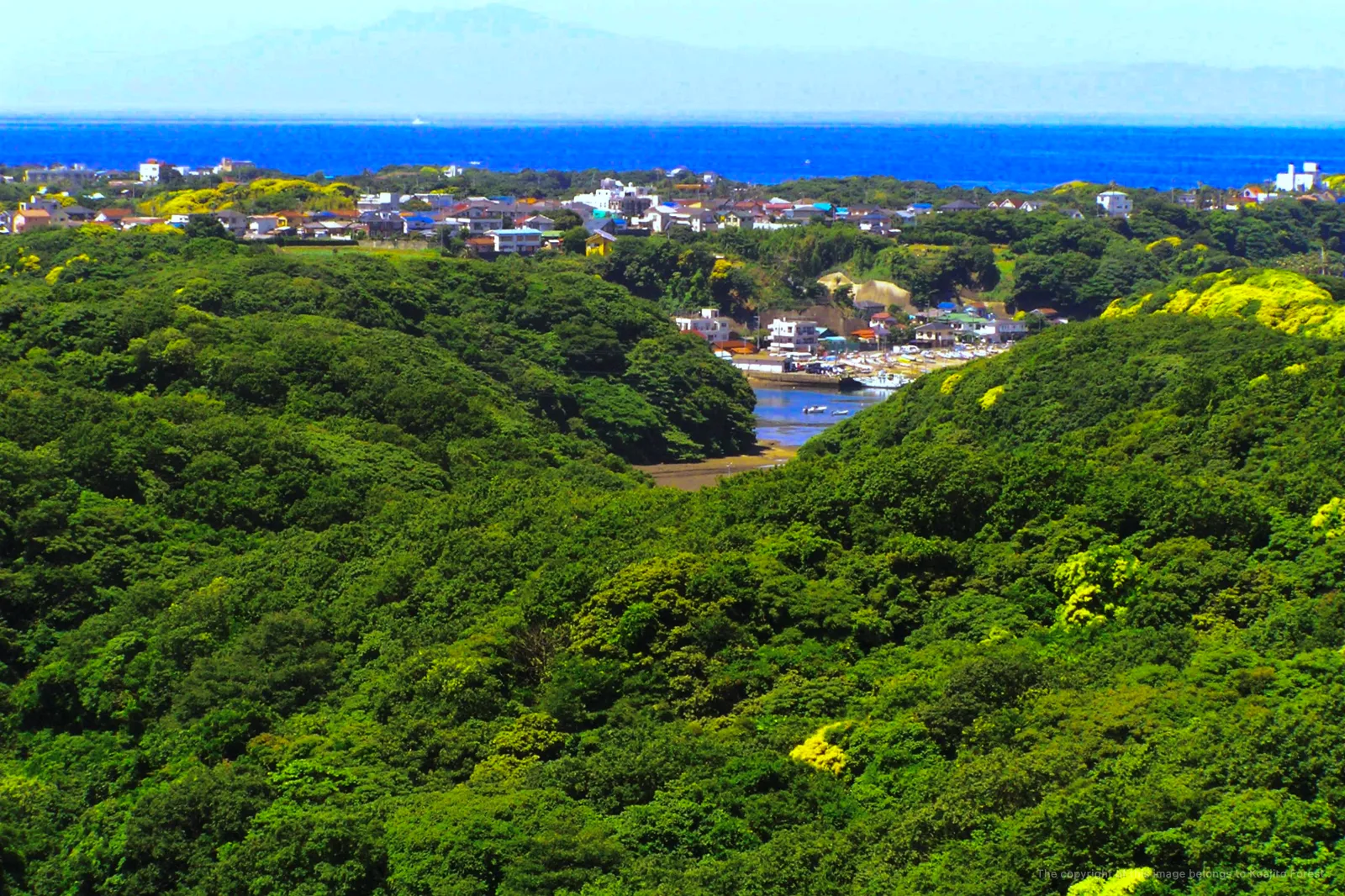
The story reaches back several decades. In the wake of Japan's rapid economic growth, sweeping development plans began to take shape for this stretch of coastline — proposals to build a golf course and resort facilities. The ecosystem running unbroken from the headwaters to the tidal flats would, had those plans moved forward, have been carved into fragments.
At that moment, there were those who raised their voices. Centered on Professor Yuji Kishi of Keio University and others, biologists and volunteers came together and put forward a new plan — one that sought to reconcile conservation and development.
What they returned to, again and again, was a single idea: the "
watershed." A single drop of water is born at the source, nourishes the wetlands, pours into the tidal flats, and finds its way back to the sea. It is that unbroken journey, they argued, that sustains more than approximately 2,000 species of living creatures. The watershed ecosystem of the Urano River — now known as Koajiro Forest — is a miraculous landscape where the terrain of the watershed remains intact, from its headwaters through the marshes, the tidal flats, and out to the sea. They believed deeply that if this entire watershed ecosystem were preserved whole, and a thriving community of living things were allowed to gather and flourish within it, this place would surely become a miraculous treasure of nature for the greater Tokyo area — a gift that would sustain the future of the Miura Peninsula.
The conservation movement, step by step, began to move people's hearts. And at last, the forest escaped the fate of a golf course, and was passed on to the next generation with its watershed terrain entirely intact. In 2011, the watershed ecosystem of the Urano River was designated, under the name "Koajiro Forest," as a Suburban Green Space Conservation Zone and Special Conservation District by the Ministry of Land, Infrastructure, Transport and Tourism. It has since been jointly managed by Kanagawa Prefecture, the City of Miura, the Kanagawa Trust Midori Foundation, and the NPO Koajiro Outdoor Activity Coordination Council — the civic organization at the heart of the movement — with the baton passed forward into the future. Koajiro Forest was opened to the general public in July 2014, once the initial work to develop the wetland areas and walking paths had been completed.
The living richness of this forest that you now hold in your mind's eye — that vibrancy of nature — is a treasure of the Miura Peninsula, kept alive through the collective efforts of countless citizens, government bodies, and businesses who chose to protect it.
Theme: The golf course and resort development plans, and the conservation movement that overcame them
Key Figure: Biologists and citizens led by Professor Yuji Kishi of Keio University
Keywords: The concept of the "
watershed" / An ecosystem supporting approximately 2,000 species
History: Designated a Suburban Green Space Conservation Zone and Special Conservation District in 2011; opened to the public in July 2014
Management: Kanagawa Prefecture, City of Miura, Kanagawa Trust Midori Foundation, NPO Koajiro Outdoor Activity Coordination Council
Location: Koajiro, Misaki-cho, Miura City, Kanagawa Prefecture
Map:
Koajiro Forest Map
Official Site:
Koajiro Forest (Kanagawa Prefecture)
Editorial Supervision: Yuji Kishi (Professor Emeritus, Keio University)
Photography: Hirokazu Yanase (Professor, Institute of Science Tokyo)
Producer:
Eisuke Tachikawa (CEO,
NOSIGNER; Specially Appointed Professor, Keio University)
Published by:
NOSIGNER · NPO Koajiro Outdoor Activity Coordination Council