The moment Chinatown shines brightest in all the year — that is the Spring Festival, the great celebration of the Lunar New Year. Held in accordance with the…
The moment Chinatown shines brightest in all the year — that is the Spring Festival, the great celebration of the Lunar New Year. Held in accordance with the first day of the lunar calendar, this festival transforms the entire district into a sacred space of rejoicing. The crack and thunder of firecrackers fills the air, and decorations of red and gold swallow every corner of the streets. Why red, you may wonder. In Chinese tradition, red is the colour that drives away evil spirits and draws good fortune close. It is a colour that carries the warmth of protection and hope.
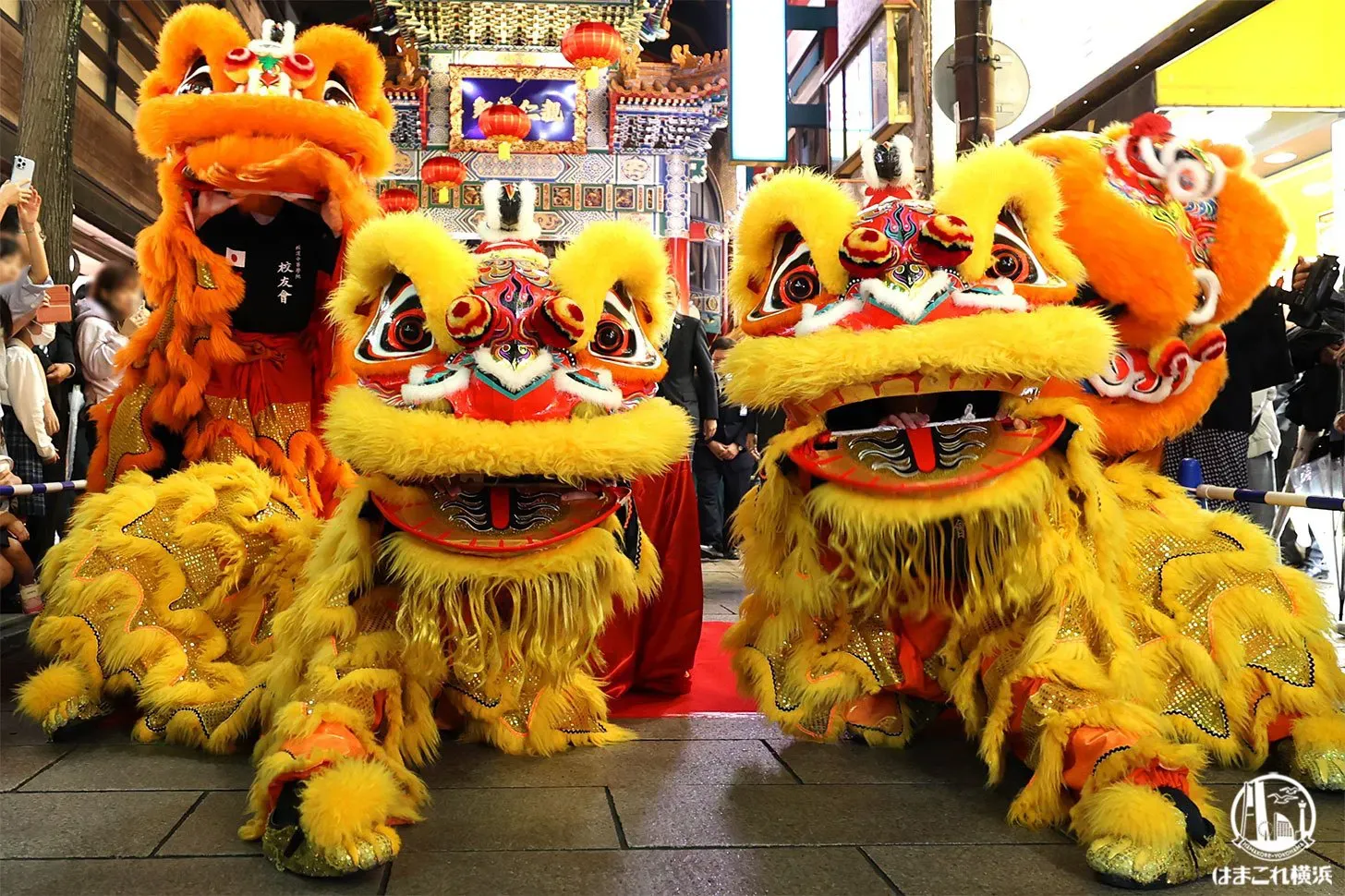
Among all the spectacles of the Spring Festival, none draw the eye quite like the lion dance and the dragon dance. The lion dance is performed by two people moving as one — the lion leaps and sways with such life and spirit that you might almost believe it breathes. Propelled by the driving rhythms of drums and gongs, the performance is nothing short of extraordinary. The dragon dance is grander still: a serpentine body of shimmering scales, guided by a dozen or more performers, winds and undulates through the streets in a magnificent procession.
These dances carry meaning that runs far deeper than spectacle. The lion is said to banish malevolent forces, while the dragon is believed to bring an abundant harvest and prosperity in trade. In the parade, men and women dressed in traditional costume march to the sound of folk instruments played with joyful precision. Children clutch small red envelopes — hóngbāo — each one holding a gift of lucky money for the new year. Street stalls overflow with auspicious ornaments and foods prepared only for this season, filling the neighbourhood with a festive energy that comes but once a year.
Yet the Spring Festival is far more than a celebration. It is a sacred rite — a moment when people far from their homelands reach across the distance to touch their own roots, and pass their living culture into the hands of the next generation. If you have the fortune to visit during this time, consider yourself truly blessed. It is a gift that cannot be replaced by anything else in this world.
The moment Chinatown shines brightest in all the year — that is the Spring Festival, the great celebration of the Lunar New Year. Held in accordance with the first day of the lunar calendar, this festival transforms the entire district into a sacred space of rejoicing. The crack and thunder of firecrackers fills the air, and decorations of red and gold swallow every corner of the streets. Why red, you may wonder. In Chinese tradition, red is the colour that drives away evil spirits and draws good fortune close. It is a colour that carries the warmth of protection and hope.
Among all the spectacles of the Spring Festival, none draw the eye quite like the lion dance and the dragon dance. The lion dance is performed by two people moving as one — the lion leaps and sways with such life and spirit that you might almost believe it breathes. Propelled by the driving rhythms of drums and gongs, the performance is nothing short of extraordinary. The dragon dance is grander still: a serpentine body of shimmering scales, guided by a dozen or more performers, winds and undulates through the streets in a magnificent procession.
These dances carry meaning that runs far deeper than spectacle. The lion is said to banish malevolent forces, while the dragon is believed to bring an abundant harvest and prosperity in trade. In the parade, men and women dressed in traditional costume march to the sound of folk instruments played with joyful precision. Children clutch small red envelopes — hóngbāo — each one holding a gift of lucky money for the new year. Street stalls overflow with auspicious ornaments and foods prepared only for this season, filling the neighbourhood with a festive energy that comes but once a year.
Yet the Spring Festival is far more than a celebration. It is a sacred rite — a moment when people far from their homelands reach across the distance to touch their own roots, and pass their living culture into the hands of the next generation. If you have the fortune to visit during this time, consider yourself truly blessed. It is a gift that cannot be replaced by anything else in this world.