The true essence of Chinatown lies, above all else, in the breathtaking diversity of its food culture. China is a vast nation, where climate and landscape vary…
The true essence of Chinatown lies, above all else, in the breathtaking diversity of its food culture. China is a vast nation, where climate and landscape vary enormously from one region to the next. It is precisely this variety that gives rise to a cuisine of such remarkable breadth and richness.
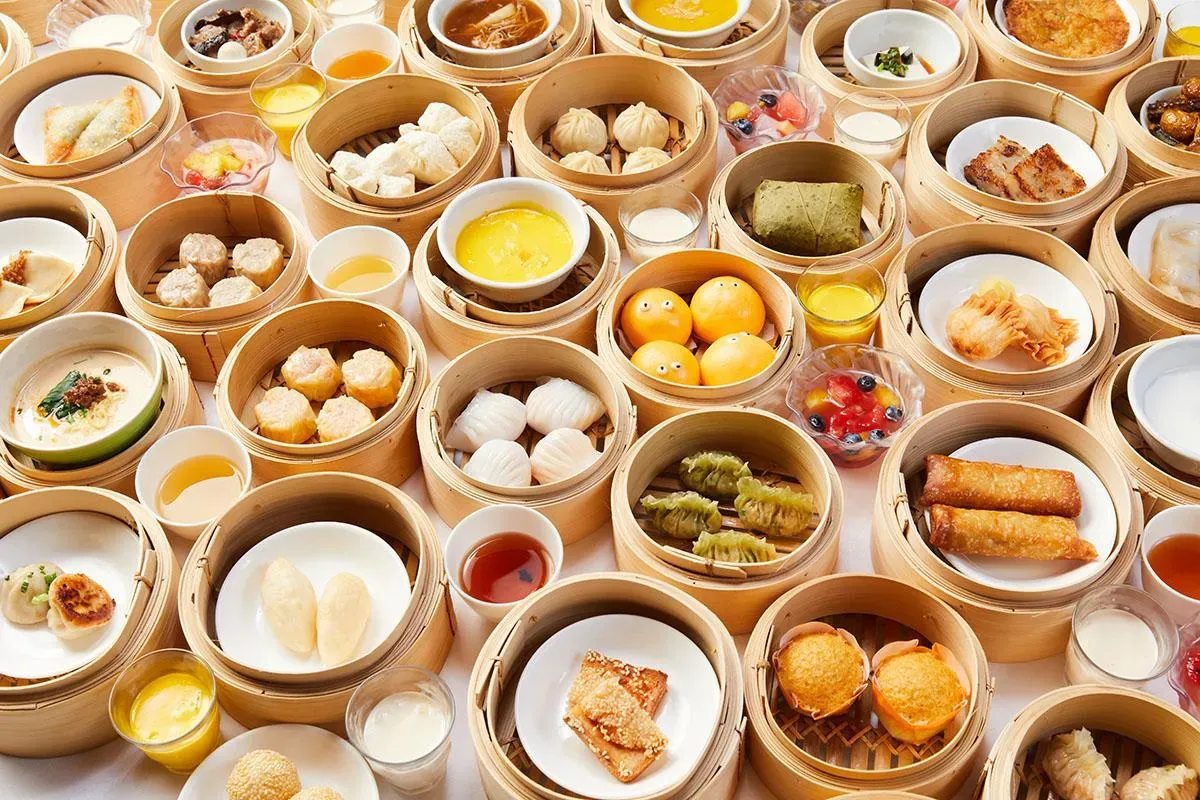
First, there is Cantonese cuisine. Guangdong Province is celebrated as a paradise of fine food — so much so that the saying goes, "To eat well, go to Guangzhou." Here, the freshest seafood finds its highest expression in dim sum, and in the delicate, contemplative world of yum cha. Xiaolongbao and har gow, carried to the table wreathed in steam rising from bamboo baskets, are nothing less than works of art.
Sichuan cuisine, by contrast, is defined by what is known as málà — a sensation of numbing, fiery heat that is utterly its own. The singular fragrance of Sichuan peppercorn entwines with the bold fire of chili, weaving a complexity of flavor that is impossible to forget. Mapo tofu and dan dan noodles deliver a jolt to the senses that, once experienced, stays with you forever.
Then there is Beijing cuisine — refined and elegant, heir to a long tradition of imperial court cooking. Consider Peking duck: the startling contrast between its shatteringly crisp skin and its yielding, tender meat. It stands, by any measure, at the pinnacle of Chinese culinary achievement.
And finally, Shanghai cuisine. Blessed by the abundance of the Yangtze River, its larder is rich and varied. The Shanghai hairy crab is the very emblem of autumn in this city. Sweet and savory seasonings, applied with a deft and delicate hand, define its character.
What a rare indulgence it is to find all four of these great culinary traditions gathered within a single neighborhood. Each restaurant here keeps faithful watch over the flavors of its homeland, while continuing to reach toward something new. Is your palate ready to embark on a journey across the Chinese continent?
The true essence of Chinatown lies, above all else, in the breathtaking diversity of its food culture. China is a vast nation, where climate and landscape vary enormously from one region to the next. It is precisely this variety that gives rise to a cuisine of such remarkable breadth and richness.
First, there is Cantonese cuisine. Guangdong Province is celebrated as a paradise of fine food — so much so that the saying goes, "To eat well, go to Guangzhou." Here, the freshest seafood finds its highest expression in dim sum, and in the delicate, contemplative world of yum cha. Xiaolongbao and har gow, carried to the table wreathed in steam rising from bamboo baskets, are nothing less than works of art.
Sichuan cuisine, by contrast, is defined by what is known as málà — a sensation of numbing, fiery heat that is utterly its own. The singular fragrance of Sichuan peppercorn entwines with the bold fire of chili, weaving a complexity of flavor that is impossible to forget. Mapo tofu and dan dan noodles deliver a jolt to the senses that, once experienced, stays with you forever.
Then there is Beijing cuisine — refined and elegant, heir to a long tradition of imperial court cooking. Consider Peking duck: the startling contrast between its shatteringly crisp skin and its yielding, tender meat. It stands, by any measure, at the pinnacle of Chinese culinary achievement.
And finally, Shanghai cuisine. Blessed by the abundance of the Yangtze River, its larder is rich and varied. The Shanghai hairy crab is the very emblem of autumn in this city. Sweet and savory seasonings, applied with a deft and delicate hand, define its character.
What a rare indulgence it is to find all four of these great culinary traditions gathered within a single neighborhood. Each restaurant here keeps faithful watch over the flavors of its homeland, while continuing to reach toward something new. Is your palate ready to embark on a journey across the Chinese continent?