With its stately brick exterior and imposing gabled roof, the Yokohama British House is an architectural embodiment of the British Empire's prestige. Built in…
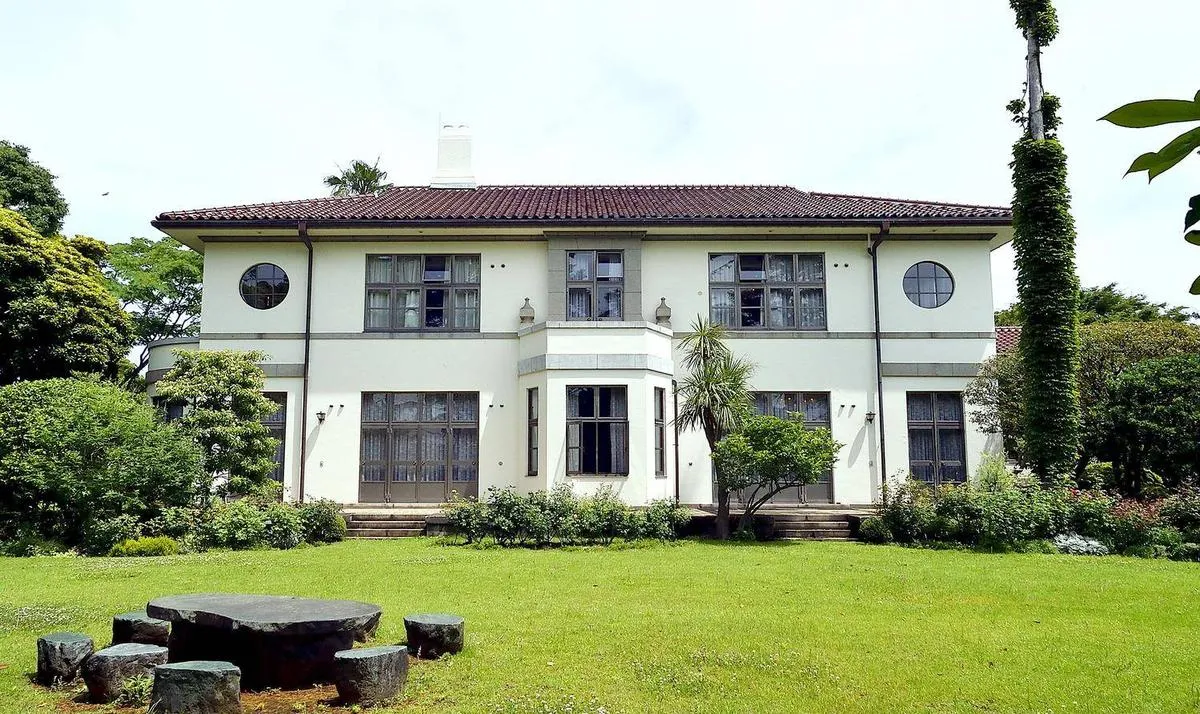
With its stately brick exterior and imposing gabled roof, the Yokohama British House is an architectural embodiment of the British Empire's prestige. Built in 1937 as the official residence of the British Consul-General during the tumultuous Showa era, the house strongly reflects the traditions of the Tudor style. The Tudor style is an architectural style that flourished in 16th-century England. It is characterized by beautiful black-and-white half-timbering, tall windows, and a dignified interior space centered around a fireplace. Upon entering, a spacious hall unfolds, used by successive Consuls-General as a stage for diplomatic endeavors. The beams spanning the ceiling, the substantial wooden staircase, and the emblem adorning the fireplace's mantelpiece—all quietly assert British tradition and dignity. This residence has witnessed Japan's journey through the tense international situation before the war, its defeat, and subsequent recovery. What conversations did diplomats exchange here, and what decisions did they make within these walls? Today, this space is utilized as a conference room and concert venue, fostering new cultural exchanges. In this residence, a witness to history, imagine the English conversations that once echoed within its walls, or the melodies of a piano. Across time, the behind-the-scenes of diplomacy should quietly come to life.
With its stately brick exterior and imposing gabled roof, the Yokohama British House is an architectural embodiment of the British Empire's prestige. Built in 1937 as the official residence of the British Consul-General during the tumultuous Showa era, the house strongly reflects the traditions of the Tudor style. The Tudor style is an architectural style that flourished in 16th-century England. It is characterized by beautiful black-and-white half-timbering, tall windows, and a dignified interior space centered around a fireplace. Upon entering, a spacious hall unfolds, used by successive Consuls-General as a stage for diplomatic endeavors. The beams spanning the ceiling, the substantial wooden staircase, and the emblem adorning the fireplace's mantelpiece—all quietly assert British tradition and dignity. This residence has witnessed Japan's journey through the tense international situation before the war, its defeat, and subsequent recovery. What conversations did diplomats exchange here, and what decisions did they make within these walls? Today, this space is utilized as a conference room and concert venue, fostering new cultural exchanges. In this residence, a witness to history, imagine the English conversations that once echoed within its walls, or the melodies of a piano. Across time, the behind-the-scenes of diplomacy should quietly come to life.